

Jen
Painting An Accent Wall: The Definitive Dos & Don’ts
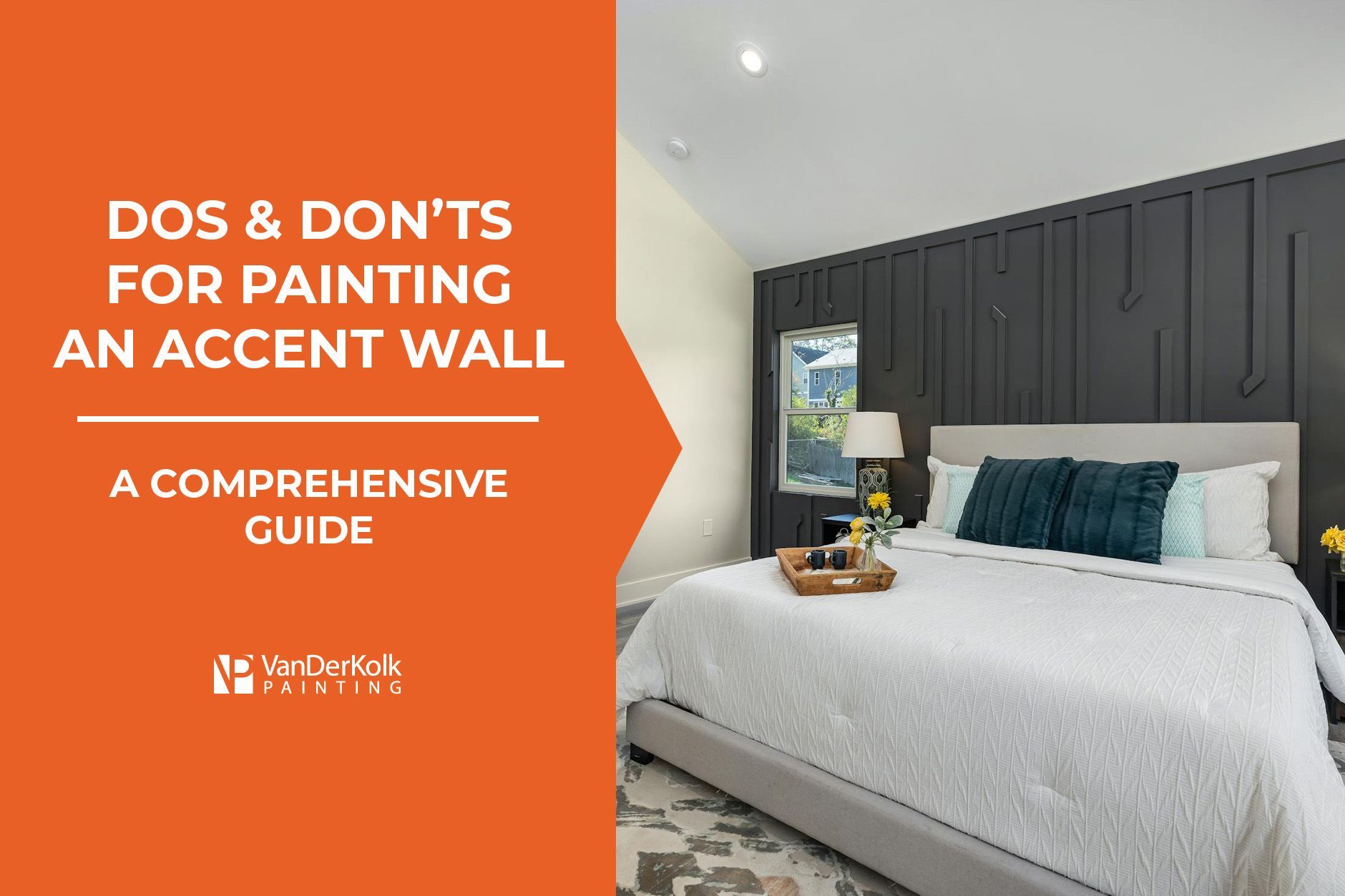
Accent walls can completely transform the look of any room. With just a splash of color, texture, or pattern, they inject personality and depth, provoking a magnificent transformation in your space's overall interior design.
Whether you want to highlight a quirky architectural feature, create a cozy focal point, or just add a new dimension to a rather bland room, accent walls are a great solution. However, there are certain nuances to get right with accent walls; otherwise, things may not look as appealing as you’d like.
That's where professionals at VanDerKolk Painting come into play. With decades of
interior painting expertise, we provide guidance on the latest painting trends, ensuring your accent wall perfectly enhances the rest of your home’s interior.
What is an Accent Wall?
An accent wall, also known as a feature wall, is a single wall in a room that is distinctly different and more attention-grabbing than the other walls. It serves as a focal point in the room and is typically painted or decorated with a different color, texture, or design.
In interior design, an accent wall serves several purposes. It can break up a large room, highlight an architectural feature, or draw attention to a particular piece of furniture or artwork. By doing so, it adds visual interest and depth to the space, creating a dynamic aesthetic.
Accent walls elevate your interior design and can change the entire atmosphere of a room, but only when done correctly and intentionally.
The Dos and Don’ts of Painting an Accent Wall
Adding an accent wall to your favorite room is an exciting way to create interest and dimension. When doing so, make sure to follow these dos and don’ts of painting an accent wall.
Do Choose an Exciting and Bold Color
Embrace vibrancy when choosing your accent wall color. Let this be your canvas to paint a statement - a strikingly bold hue or an exotic print that enhances the room's overall color scheme. Delightfully unexpected, these vibrant splashes of color can inject personality and depth into your space.
Consider harmonizing tones while allowing the accent wall to take center stage. The primary goal? To create a rich visual experience that encapsulates your style while complementing existing décor. For a holistic feel, extend your selected color or design onto other elements in the space, such as fabrics, furnishings, or accessories.
Don’t Add an Accent Wall to Every Room
Bold and vibrant walls do not belong in every room of your home. Accent walls, while elevating and exciting, should be reserved for specific spaces. Your living room, bedrooms, or dining rooms are excellent spaces to add an intriguing accent wall to elevate your interior decorating and liven up the room.
Avoid areas such as the kitchen, bathroom, laundry room, or storage spaces when deciding where to create an accent wall. There is often too much going on in these rooms that the intended effect of an accent wall will fall flat.
Do Choose the Right Wall
The ideal wall for an accent is typically the first one you see when you enter a room – often referred to as the "focal wall." This could be one with a fireplace, a uniquely shaped window, or a large piece of artwork.
Steer clear of walls with doors or windows if they interrupt the canvas drastically. Avoid walls with numerous light switches, climate control units, or anything else that could interfere with your smooth painting canvas. The accent wall should be an uninterrupted, clear canvas.
Don’t Get Too Carried Away
While an accent wall is an excellent way to add a splash of color to your room, it's crucial not to let your enthusiasm lead to a garish outcome.
Bold designs and colors might seem appealing, but remember, subtlety is key. Your accent wall should enhance the room's aesthetic, apart from being the focal point.
Being the most embellished wall, it needs to coordinate with the overall decor rather than overpower it. Keep in mind that less is often more when developing a color palette and design that highlights the features of your room.
Do Hire a Professional Painter
Painting an accent wall might seem like a fun, DIY adventure. However, achieving a seamless, crisp effect is often best left to the professionals. A professional painter has the know-how and tools to evenly apply the paint, smoothly tackle edges, and handle any unexpected issues. One missed spot or blotchy area can throw off the entire effect you're aiming for.
When considering the rest of your home, a professional can create an overall cohesive look, balancing your daring accent wall with the rest of your interior. They'll use their expertise to blend the style and color scheme, contributing to manifesting your vision of a dream home.
Vanderkolk Painting is ready to help and is equipped with professionalism, high-quality work, and guaranteed customer satisfaction. With Vanderkolk, you can rest assured that your accent wall and overall house painting project are in good hands.
Should You Paint Accent Walls First or Last?
If you decide to make your accent wall a DIY weekend project, then you’ll want to be strategic with your interior painting process.
Typically, your accent wall will be a darker, bolder color than the rest of the walls. So, you should paint the accent wall last. This allows you to cover up any spots or splatter from the lighter color paint easily.
Elevate Your Interior Design with an Accent Wall and VanDerKolk Painting
An accent wall can drastically elevate and transform a room in your home when you follow the dos and don’ts of painting one. One of the best choices homeowners make when decorating their home’s interior is hiring a professional Grand Rapids painting company like VanDerKolk Painting.
From color recommendations, choosing the correct paint for your project, crisp, clean lines, guaranteed customer satisfaction, and three decades of experience, the VanDerKolk Painting team is here to make your interior vision a reality. Request a free estimate for your interior painting project by calling
616-202-6570 or filling out a
contact form.

About Tom VanDerKolk
Tom VanDerKolk is a professional painter with over three decades of experience and the owner of VanDerKolk Painting, a leading painting contractor serving West Michigan. Since founding the company in 1991, Tom has overseen projects ranging from residential homes to complex commercial and industrial facilities. His background includes formal training under a master painter and decades of hands-on application across a wide range of surfaces, coatings, and environments. Tom regularly shares practical insights to help homeowners and property managers make informed decisions about painting, maintenance, and long-term surface protection.
Request A Free Quote
Our Services
Residential Services
Commercial & Industrial Services
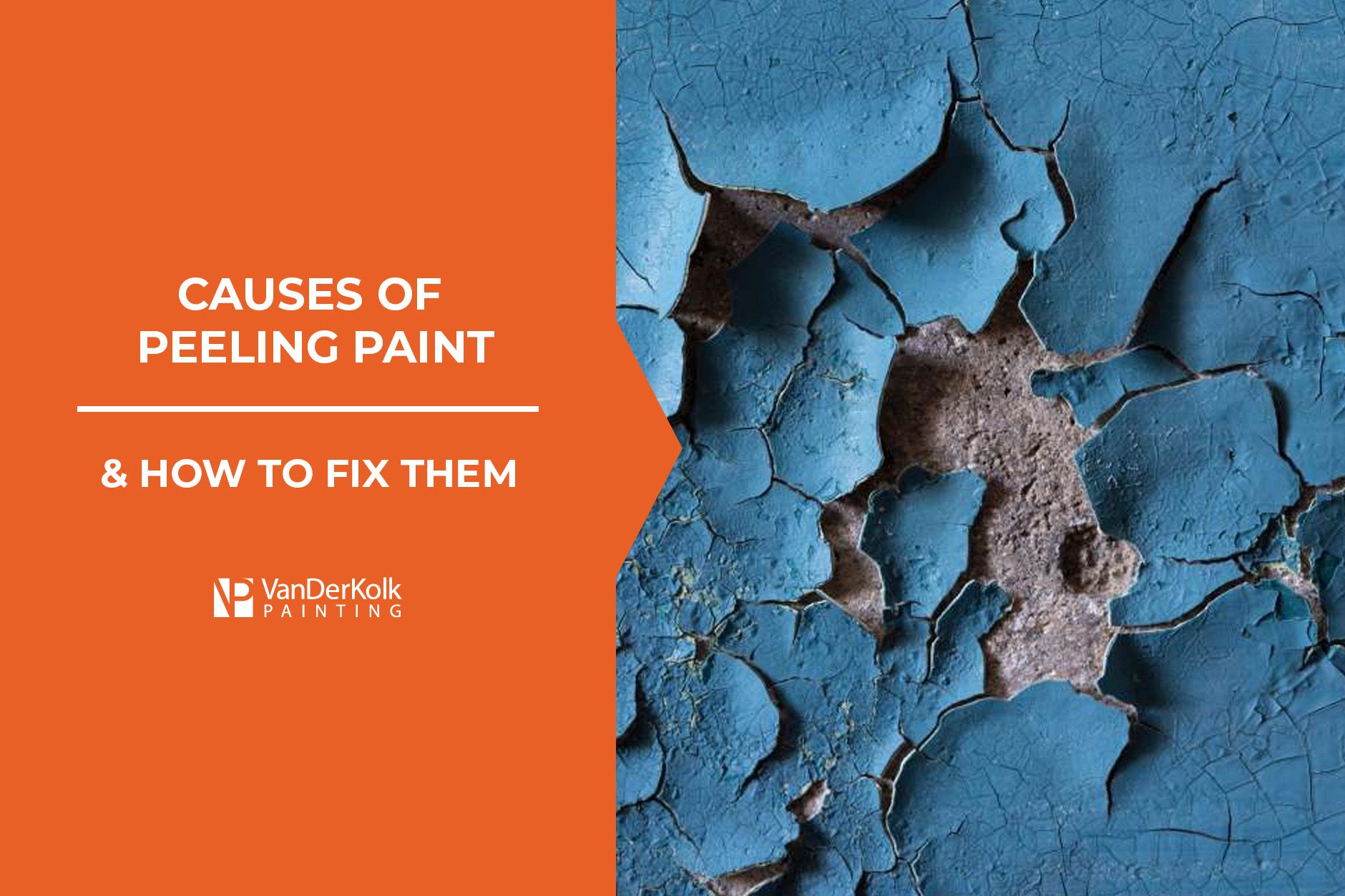
Peeling paint is almost never caused by the paint itself. Repainting without addressing the root cause will almost always lead to recurring peeling.
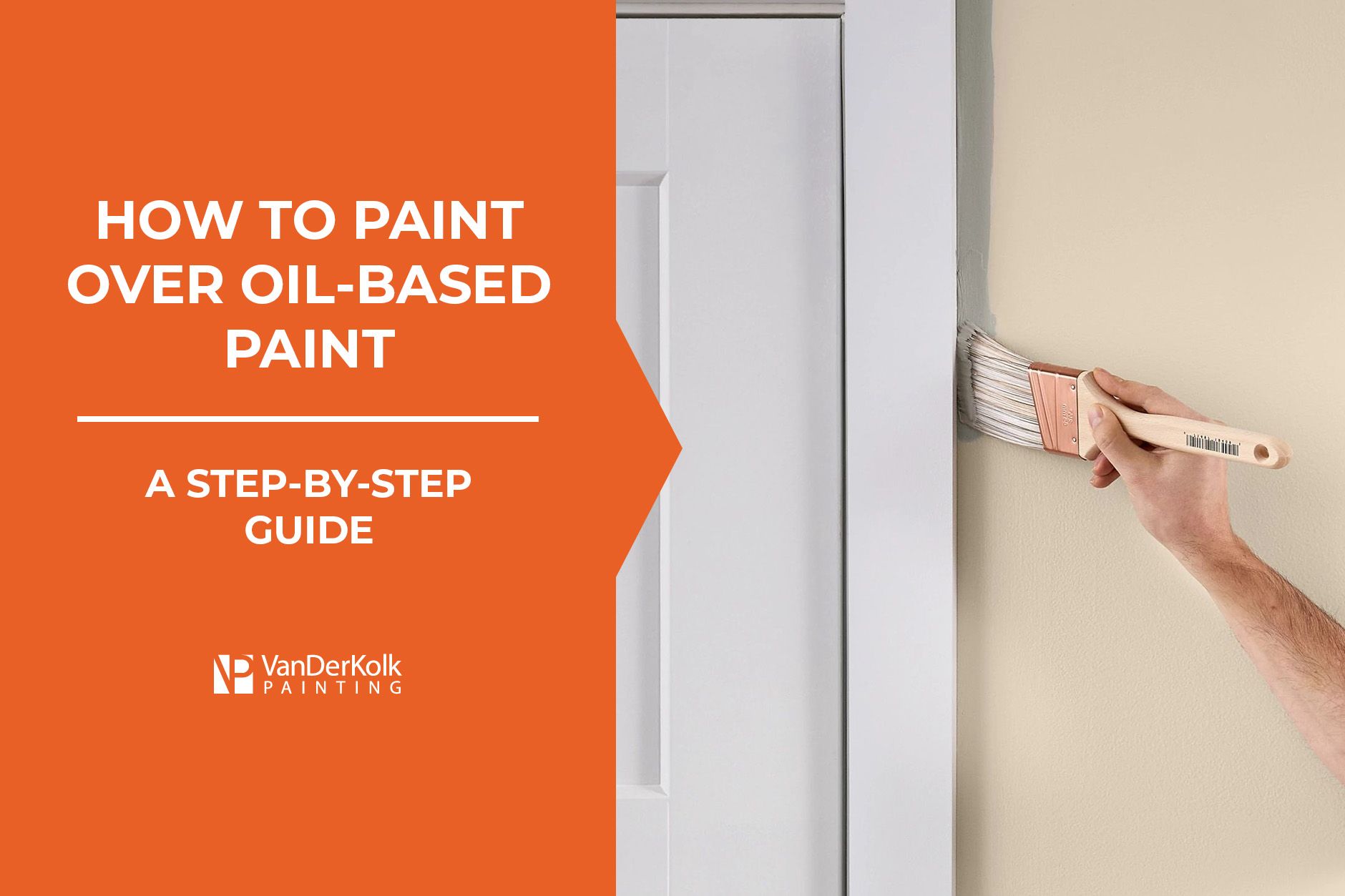
You can paint over oil-based paint, but how you do it depends on what you’re painting over it with. The process can be broken down into 4 simple steps.
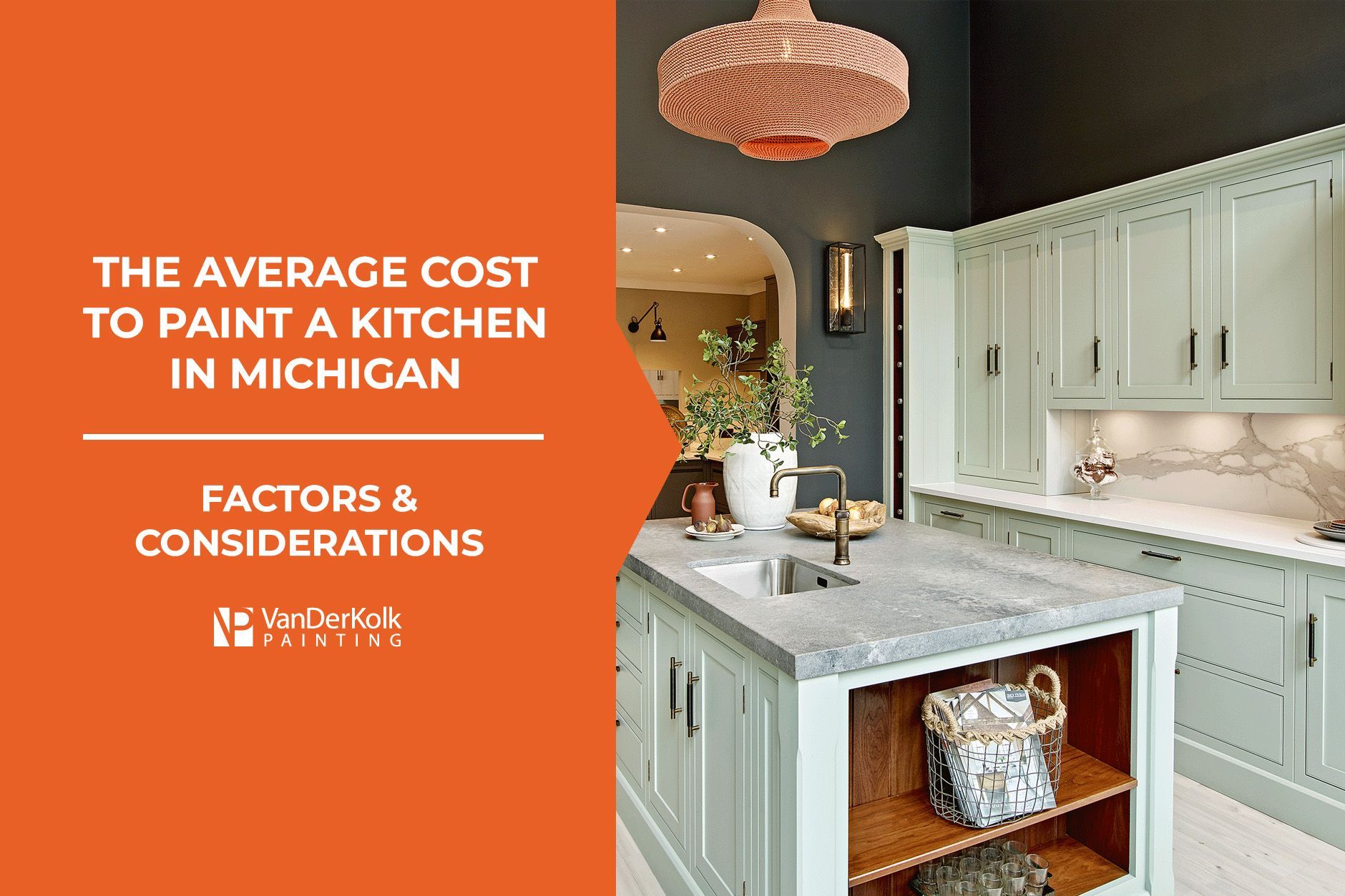
This guide breaks down the costs involved in kitchen painting in Michigan, including what drives the price up or down. Learn what to expect...
The Average Cost of Interior House Painting In Michigan (2026)
Key Takeaways: Most Michigan homeowners pay between $300 and $900 to have a standard full bathroom painted professionally. Small half baths start around $200. Large primary bathrooms with detailed trim and high ceilings can reach $1,500 or more. Bathrooms require moisture-resistant paint in a satin or semi-gloss finish due to humidity and temperature swings in Michigan. Keep in mind that settling for an average price often means receiving average work. It often saves money in the long run to work with more experienced painters who use higher-quality paints. Always ask what prep work is included before you commit to anything.
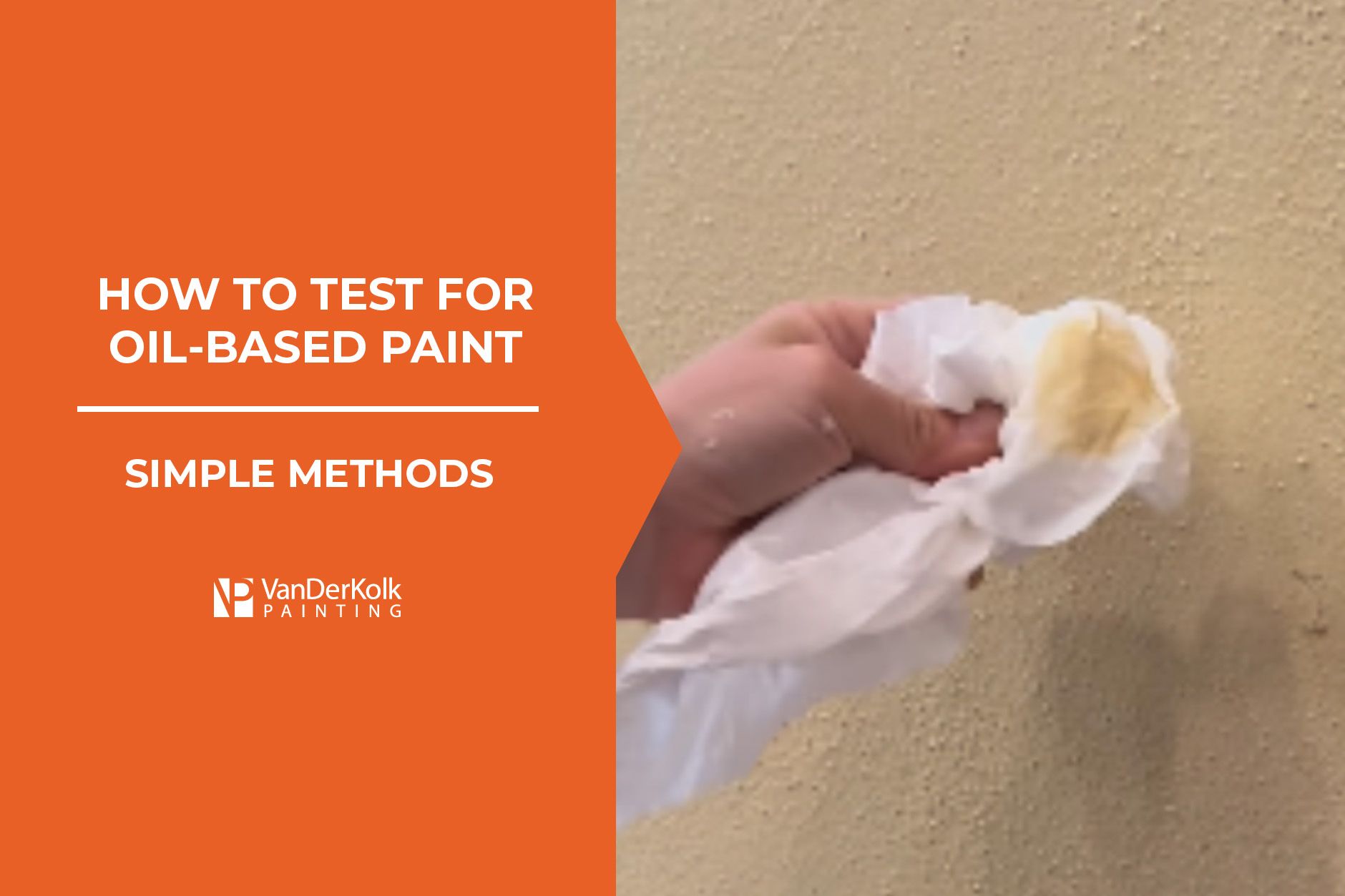
How to Test for Oil-Based Paint: 3 Simple Methods

Can You Paint Over Wallpaper? Expert Answers & Tips
One-Coat House Paint: Does It Actually Work?
How to Paint a Ceiling: Techniques, Tips, and Tricks
Elastomeric Paint: Pros, Cons, and When to Use It