
Jen
Can Interior Paint Be Used Outside?
Key Takeaways:
- No, interior paint should not be used outside. It lacks the UV-resistant pigments, flexible binders, and weather-resistant formulas required for outdoor durability, and will typically fail within 12 months of application.
- Interior and exterior paints are chemically different in four key ways: pigment formulation (organic vs. UV-stabilized), binder flexibility (scrub-resistant vs. temperature-adaptive), VOC concentration, and thickness/coverage capacity.
- Using interior paint outdoors leads to predictable failures, including color fading, peeling, cracking, and bubbling, which are all caused by exposure to UV rays, moisture, and temperature fluctuations that interior formulas aren't engineered to handle.
- The best paints for exterior surfaces are acrylic latex and oil-based exterior paints, both of which offer UV protection, moisture resistance, and the flexibility needed to withstand seasonal temperature changes on wood, brick, stucco, and siding.
- Exterior paint cannot be used indoors either. Its higher VOC levels cannot safely dissipate in enclosed spaces and may cause respiratory irritation, headaches, and dizziness.
Interior paint should not be used outside. It lacks the UV-resistant pigments, flexible binders, and weather-resistant formulas that exterior paint contains. Using interior paint outdoors results in peeling, cracking, color fading, and bubbling, typically within one year of application.
Paint can be expensive, and it’s a shame to waste a perfectly good amount, especially if there is an exterior project you’ve been meaning to finish. However, using interior paint outside is not the best option if you want long-lasting and durable results.
Avoid interior and exterior painting project mishaps and work with the professional painters at VanDerKolk Painting. Specializing in
residential,
commercial, and
industrial paint projects since 1991, we guarantee thorough and efficient results from our trained team.
By the end of this article, you will know exactly why interior paint should not be used outside and what type of paint to use instead.
Why Interior Paint Fails Outdoors
Interior and exterior paints are engineered for fundamentally different conditions. Interior paint is designed for abrasion resistance and low-odor application in enclosed spaces. Exterior paint is built to withstand UV exposure, moisture, temperature swings, and wind.
Using the wrong product for the surface shortens the life of the paint job and requires early reapplication.
Key Differences Between Interior and Exterior Paint
Now that we have established that you should not use interior paint outside, what exactly is the difference between interior and exterior paint?
There are four main differences that affect the use and results of each paint.
Pigment
Interior paints commonly use organic pigments, which fade significantly when exposed to direct sunlight. Exterior paints use UV-stabilized pigments engineered to retain color under prolonged sun exposure. This is why exterior paint colors stay true for years, while interior paint applied outdoors fades quickly.
Binders
Binders are the adhesive component in paint that bonds pigment to a surface. Interior paint binders are formulated for scrub resistance and designed to hold up against cleaning and friction inside the home. Exterior paint binders are more flexible, allowing the paint film to expand and contract with temperature changes without cracking. They also provide greater moisture resistance.
VOC Levels
Both interior and exterior paints contain volatile organic compounds (VOCs). These are the compounds responsible for the "fresh paint" smell. Exterior paints contain higher VOC concentrations to improve outdoor application performance. This is why exterior paint should never be used indoors: the higher VOC levels cannot safely dissipate in an enclosed space and can cause eye irritation, headaches, coughing, and dizziness.
Consistency and Coverage
Exterior paint is thicker than interior paint. This allows full surface coverage in fewer coats, typically two coats for most exterior surfaces. Interior paint is thinner and, when applied outdoors, requires additional coats to achieve the same opacity, takes longer to dry, and still does not perform as well as a purpose-made exterior product.
What Happens When You Use Interior Paint Outside
If interior paint is applied to an exterior surface, expect the following problems:
- Color fading: UV exposure degrades organic pigments quickly
- Peeling and cracking: Binders not designed for outdoor flex will fail as temperatures change
- Bubbling: Moisture penetrates the paint film, causing blistering
- Short lifespan: Most interior paint applied outdoors fails within 12 months
All of these failures require stripping and repainting the surface, which is significantly more costly than using the correct paint from the start.
Best Paint Types for Exterior Surfaces
The two most widely used exterior paint types are oil-based paint and acrylic latex paint. Both are suitable for surfaces including wood, brick, stucco, and aluminum siding. For outdoor furniture and fences affected by rust, oil-based or acrylic latex formulas with rust-inhibiting properties are recommended.
When selecting an exterior paint, look for products specifically labeled for exterior use with UV protection, moisture resistance, and flexibility ratings appropriate for your climate.
The Importance of Choosing the Right Paint for Your Project
Whenever you begin a paint project, one of the most important things to consider is choosing the right paint type. This will ensure longevity and durability, so your paint project lasts for years to come. Not sure which paint is right for your project? VanDerKolk Painting can help you with that.
With more than three decades of professional painting experience, we’re here to guide you through every step of your painting project - no matter how big or small. Whether you’re redecorating your home’s interior, office building, or exterior, VanDerKolk Painting’s team of skilled
Grand Rapids painters is here to help. The hardest part about working with VanDerKolk Painting is choosing the colors!
Request a free estimate for your next paint project in West Michigan today!
Exterior Paint FAQs
Can I use leftover interior paint on my porch or fence?
No. Even for small exterior surfaces like a porch railing or fence section, interior paint will degrade quickly when exposed to sunlight, rain, and temperature changes. Use an exterior-rated paint for any outdoor application.
How long does interior paint last if used outside?
Interior paint applied outdoors typically fails within 12 months. You can expect peeling, cracking, and color fading well before a properly applied exterior paint would show any wear.
Is there any situation where interior paint can be used outside?
There is no exterior application where interior paint is the appropriate choice. Even for temporary or low-priority surfaces, exterior paint will produce better adhesion and longevity.
What is the main chemical difference between interior and exterior paint?
The primary differences are in the binder type (flexible vs. abrasion-resistant), pigment formulation (UV-stable vs. organic), and VOC concentration (higher in exterior paint for outdoor performance).
Can exterior paint be used inside?
No. Exterior paint contains higher VOC levels that are unsafe in enclosed spaces. The elevated concentrations cannot dissipate properly indoors and may cause respiratory irritation and other health issues.
What type of exterior paint is best for wood siding?
Acrylic latex exterior paint is commonly recommended for wood siding due to its flexibility, moisture resistance, and ease of application. Oil-based paint is an alternative for bare wood surfaces requiring deeper penetration.
Does primer matter when painting exterior surfaces?
Yes. Exterior primer improves adhesion, seals porous surfaces, and extends the life of the topcoat. Skipping primer on exterior surfaces can cause premature peeling, particularly on bare wood or previously painted surfaces with adhesion issues.
How many coats of exterior paint are typically needed?
Most exterior surfaces require two coats of paint over a properly primed surface. Bare or porous surfaces may require an additional coat. Interior paint applied outdoors would require more coats and still would not produce comparable results.
What surfaces can exterior paint be applied to?
Exterior paint is suitable for wood, brick, stucco, aluminum siding, concrete, and vinyl (with a vinyl-safe formula). Different surface types may require surface-specific primers or paint formulations.
How do I know if a paint is rated for exterior use?
The product label will specify "exterior" or "interior/exterior" use. Look for features including UV resistance, mildew resistance, and moisture protection on the label. When in doubt, consult the product's technical data sheet.

About Tom VanDerKolk
Tom VanDerKolk is a professional painter with over three decades of experience and the owner of VanDerKolk Painting, a leading painting contractor serving West Michigan. Since founding the company in 1991, Tom has overseen projects ranging from residential homes to complex commercial and industrial facilities. His background includes formal training under a master painter and decades of hands-on application across a wide range of surfaces, coatings, and environments. Tom regularly shares practical insights to help homeowners and property managers make informed decisions about painting, maintenance, and long-term surface protection.
Request A Free Quote
Our Services
Residential Services
Commercial & Industrial Services
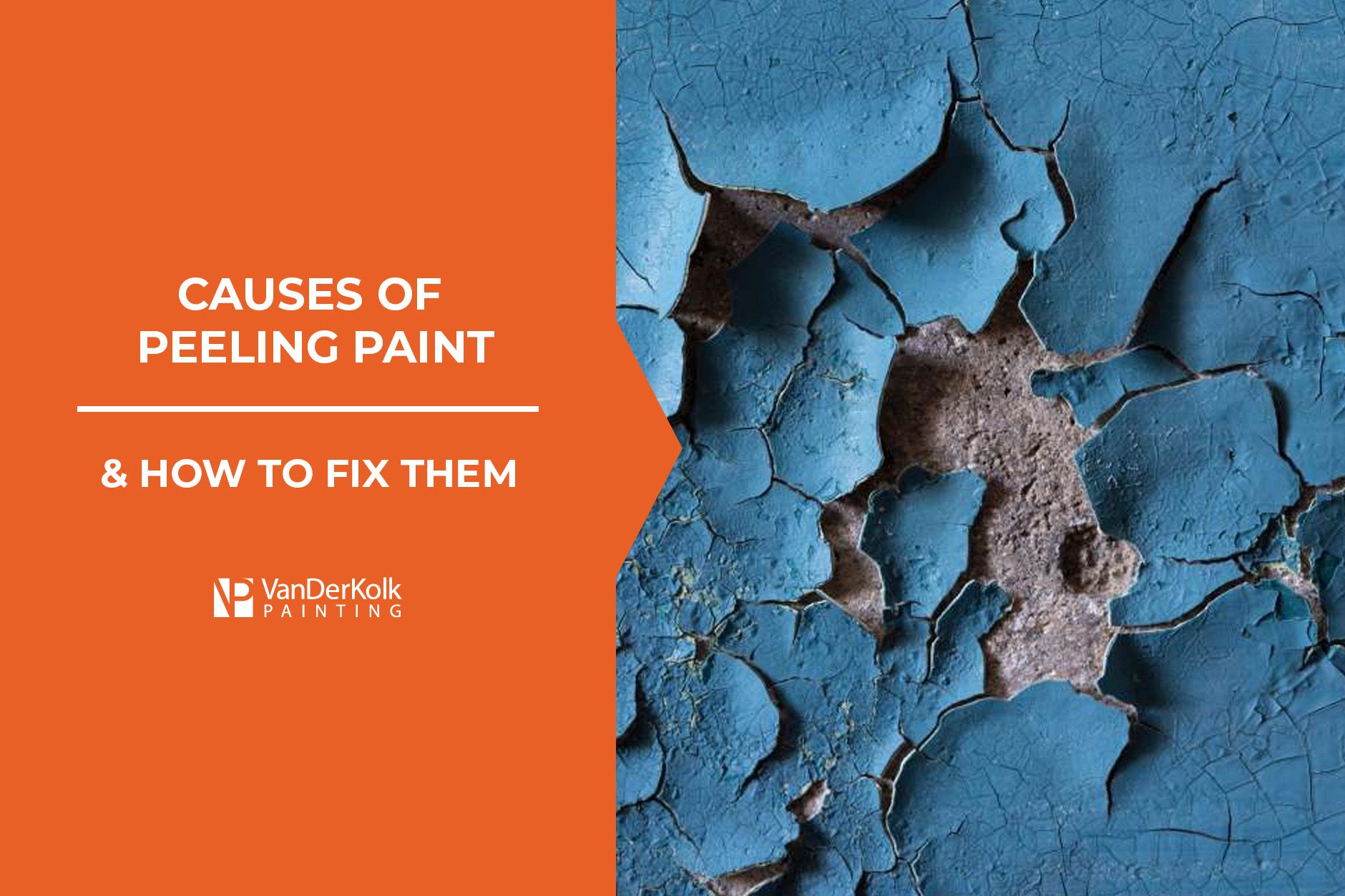
Peeling paint is almost never caused by the paint itself. Repainting without addressing the root cause will almost always lead to recurring peeling.
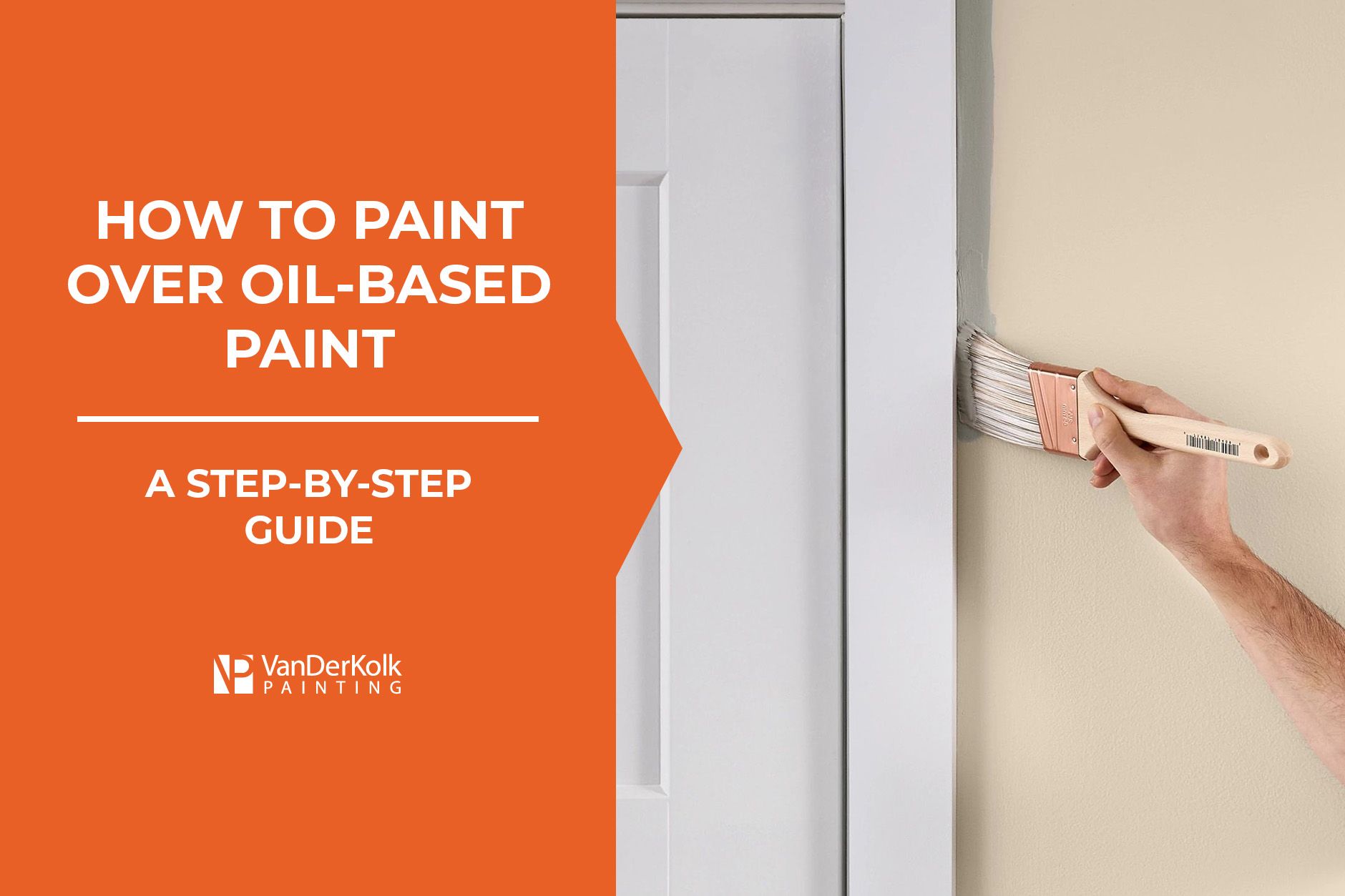
You can paint over oil-based paint, but how you do it depends on what you’re painting over it with. The process can be broken down into 4 simple steps.
This guide breaks down the costs involved in kitchen painting in Michigan, including what drives the price up or down. Learn what to expect...
The Average Cost of Interior House Painting In Michigan (2026)
Key Takeaways: Most Michigan homeowners pay between $300 and $900 to have a standard full bathroom painted professionally. Small half baths start around $200. Large primary bathrooms with detailed trim and high ceilings can reach $1,500 or more. Bathrooms require moisture-resistant paint in a satin or semi-gloss finish due to humidity and temperature swings in Michigan. Keep in mind that settling for an average price often means receiving average work. It often saves money in the long run to work with more experienced painters who use higher-quality paints. Always ask what prep work is included before you commit to anything.
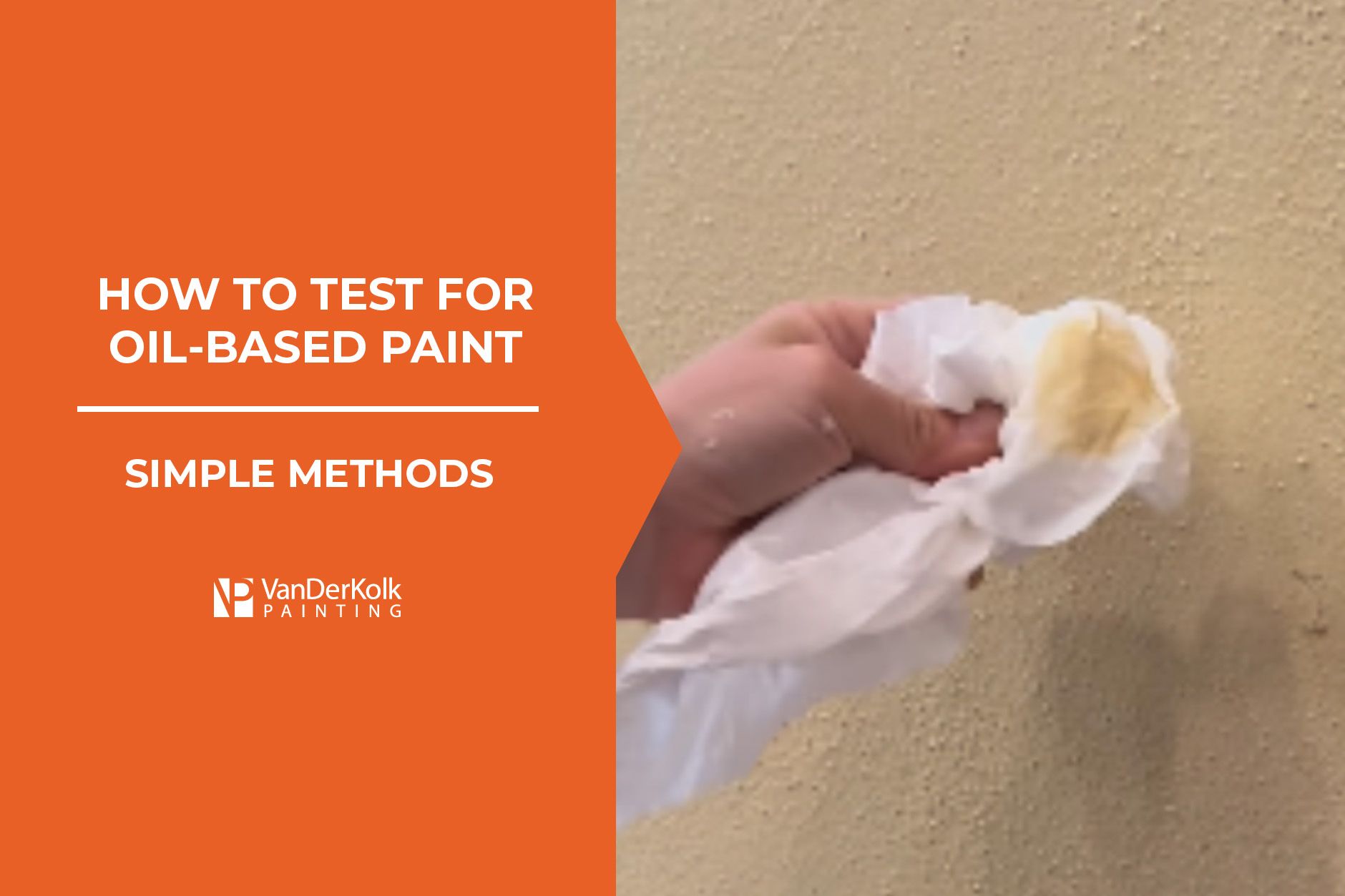
How to Test for Oil-Based Paint: 3 Simple Methods
Can You Paint Over Wallpaper? Expert Answers & Tips
One-Coat House Paint: Does It Actually Work?
How to Paint a Ceiling: Techniques, Tips, and Tricks
Elastomeric Paint: Pros, Cons, and When to Use It