
Jen
How to Test for Oil-Based Paint: 3 Simple Methods
Key Takeaways:
- There are three easy and reliable ways to test for oil-based paint: Use the alcohol/acetone rub test, a light sanding test, or visual and textural cues to confirm whether a surface is oil-based.
- The alcohol or acetone test is the most reliable DIY method: if rubbing alcohol or acetone removes or smears the paint, it’s latex; if the paint stays hard and glossy with no color transfer, it’s oil-based.
- The sanding test provides a secondary confirmation, where oil-based paint produces fine, powdery dust while latex paint gums up or rolls into soft bits when sanded.
- Oil-based paint is most commonly found on trim and high-wear surfaces, including baseboards, doors, cabinets, stair railings, and older interior woodwork, making these areas priority spots for testing.
So, you want to refresh your home’s interior with a fresh coat of paint. You might assume that you just need to add a coat of primer and some paint. But there is more to it than that. Before painting over an already painted surface, it’s essential to identify the type of paint.
Not all paints work together when applied over each other. So, to ensure a smooth, durable finish, you’ll have to figure out which paints work together and which don’t.
If you’re painting the interior of an older home, the first thing you’ll want to do is test for oil-based paint. This shiny, thick paint is extremely durable, but it doesn’t work well when applying a water-based paint over it.
At VanDerKolk Painting, we believe every paint job is a touch of professional care. Even if you decide to DIY your paint job, we want to help you learn how to do it correctly. That’s why we’re sharing the proven methods for how to test for oil-based paint and everything you need to know about working with this formula.
The Rise and Regulation of Oil-Based Paint
Oil-based paint was primarily used between the 1920s and the late 1970s. Its exceptional durability, strong adhesion, and smooth finishes made it ideal for high-traffic areas in the home. Back then, it was considered the “gold standard.”
However, during the early 1980s, regulations and restrictions began to appear regarding oil-based paint. Research showed that this type of paint contained
high levels of VOCs (volatile organic compounds), which can harm our health. They also found strong solvents that contribute to air pollution and other health risks.
Over the years, there have been restrictions put on the use of oil-based paint. Companies have also been encouraged to
develop a healthier version of the formula that retains similar features.
Why Oil-Based Paint Is Still Used
Even though oil-based paint has been shown to pose threats to our health and indoor air quality, some painters still use it today (with extra precautions). Some common reasons oil-based paint is still around include:
- Superior Durability in High-Traffic Areas - When oil-based paint cures, it has a hard, enamel-like shell, making it resistant to scuffs, dents, and scratches.
- Ultra-Smooth, Professional Finish - The thick formula levels extremely well, minimizing roller and brush strokes, leaving a glassy, professional finish.
- Works Better on Certain Materials - It bonds exceptionally well to bare or previously oil-painted wood, metal surfaces, and old trim in historic homes.
- Better Workability - The slow drying time is more forgiving for DIY painters and makes it easier to cut clean lines.
Since painters still use oil-based paint today, it’s important to test for it before painting over surfaces in your home.
Common Places to Find Oil-Based Paint in Homes
Before starting a paint job in your home, testing for oil-based paint is essential. Now, this doesn’t mean you have to test every surface you plan to paint. To save you some time, here’s a list of places where oil-based paint is used the most.
- Baseboards
- Door and window casings
- Crown molding
- Chair rails
- Doors and frames
- Kitchen cabinets
- Closets
- Pantries
- Interior hallways
- Radiators
- Metal stair railings
- Porch posts
If you plan to paint over any of these surfaces, then it’s always a good idea to test for oil-based paint. This will save you a ton of time and trouble later on, leading to a long-lasting paint job.
How to Test for Oil-Based Paint
Whether you’re painting over kitchen cabinets or restoring a historic home, these simple methods will help you test oil-based paint.
Alcohol or Acetone Test
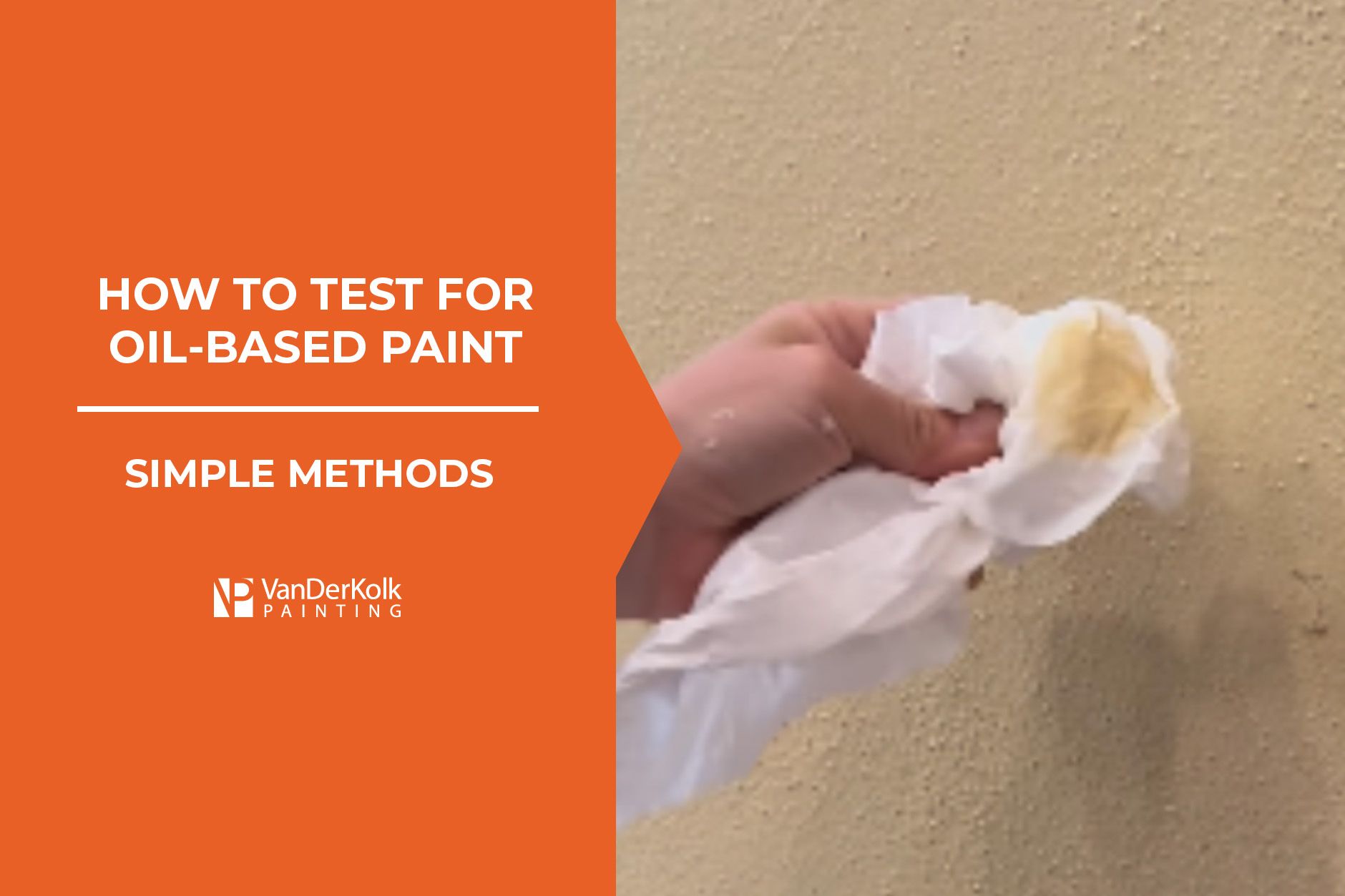
One of the simplest, most reliable ways to test for oil-based paint is with alcohol or acetone (found in nail polish remover).
What You’ll Need
- Rubbing alcohol (isopropyl alcohol, 70% or higher) or acetone
- Cotton swab, cotton ball, or clean rag
- Mild soap and water (optional, for cleaning the test spot)
Test Steps
- Step 1: Choose a low-visibility spot to test the paint. Remember, with this test, you’ll disturb the paint and leave a mark. Behind a door or a lower section of trim will work well.
- Step 2: Clean the area you’d like to test. Use a damp cloth and some mild soap to wipe away dirt, grease, or cleaning residue. Let it fully dry.
- Step 3: Soak a cotton swab or pad in alcohol or acetone. You’ll want to make sure it’s soaked, not just damp. Then rub the paint firmly for about 30 seconds.
- Step 4: Look at the results. If the paint comes off or smears, then it’s latex or water-based paint. However, if nothing happens—no color transfer and the paint stays hard and glossy—then it’s oil-based paint.
Sanding Test
The sanding test is often what professional painters use to test for oil-based paint. It’s also a helpful strategy if the alcohol/acetone test didn’t produce clear results.
What You’ll Need
- Fine-grit sandpaper (180-220 grit)
- A sanding sponge or folded paper
- Dust mask or respirator
- Drop cloth or paper towel
Important Safety Note: Homes built before 1978 may contain lead paint. Light testing is usually safe, but avoid aggressive sanding. When in doubt, use a lead test kit.
Test Steps
- Step 1: Lightly sand (don’t press too hard) a specific spot on the surface. Use light, controlled strokes for around 15 seconds. Remember, you’re testing how the paint reacts, not stripping it.
- Step 2: Examine the dust from sanding the paint. If the consistency is fine, dry, and powdery, and the dust falls away fairly cleanly, then it often indicates it’s oil-based paint. If the paint smears and the dust is more rolled bits of paint, then you’re working with latex paint.
Visual and Textural Cues
Sometimes, you can tell you’re working with oil-based paint just by touching and looking at it. However, it’s important to use these cues as indicators instead of proof. You’ll still have to confirm the type of paint with the alcohol or sanding test.
Some cues that you have oil-based paint include:
- Very smooth, almost glassy look
- Cool to the touch
- Hard and slick
- Resistant to pressure
- Chips or flakes cleanly
- Breaks into sharp pieces
- Reveals layered paint beneath
- Produces a sharp click sound when tapped with a fingernail
If your surface meets these criteria, it’s a strong indication that you need to test for oil-based paint.
Can You Paint Over Oil-Based Paint?
Yes, you can paint over oil-based paint. However, you must follow a specific procedure to ensure the new paint layer doesn’t peel or crack soon after applying it.
With this method, you can use latex-based paint instead of oil-based paint to promote a healthier environment in the home.
Steps For Painting Over Oil-Based Paint
- Step 1: Sand away the oil-based paint coating with fine-grit sandpaper (180 to 220 grit). Rub away the top coat, not the entire layer of paint. This will help your primer adhere to it better.
- Step 2: Clean the surface with a trisodium phosphate (TSP) solution. Make sure to wear gloves and use a sponge to wipe away the dust and dirt left behind from sanding the surface.
- Step 3: Apply a coat of bonding primer to the surface. You’ll want to verify that the primer you use complements the type of paint you plan to apply.
- Step 4: Once the primer has dried, apply at least two coats of paint to fully cover the oil-based paint beneath.
You can read a more in-depth guide in our blog, “How to Paint Over Oil-Based Paint.”
Health and Safety Tips When Working with Oil-Based Paint
There are some situations where homeowners might want to repaint with oil-based paint. When testing or working with oil-based paint, you need to take some precautions to protect your health and safety.
Ventilate Your Area
We’ve already mentioned that oil-based paints have strong VOCs and solvents that can harm your health and indoor air quality. When you’re testing or painting with oil-based paint, make sure you have proper ventilation.
Keep doors and windows open at all times. Use box fans to blow airout
of the area, not into it. You’ll want to make sure that you follow these practices for several days, not just while testing and repainting with oil-based paint.
Wear Proper Respiratory Protection
When sanding or painting with oil-based paint, you’ll want to have a respirator with organic vapor cartridges. Unfortunately, a common dust mask won’t protect you from the fumes in the paint, just the particles.
Protect Skin and Eyes
Working with oil-based paint means wearing safety glasses or goggles and chemical-resistant gloves. As durable as oil-based paint is, it can be harmful if it comes into contact with your skin.
Fire Safety Precaution
Oil-based paint is highly flammable. When working with it, make sure there are no open flames or smoking in the area. Turn off nearby pilot lights and keep solvents away from heaters.
These precautions are often overlooked, but can be the most dangerous.
Should You Hire a Professional for Oil-Based Surfaces?
For most homeowners, repainting a room or trim may feel straightforward. However, when you find oil-based paint surfaces in your home, painting becomes somewhat more complicated (and dangerous).
If you discover oil-based paint, the best thing you can do is hire a professional painter like
VanDerKolk Painting. We are equipped to handle any paint job, no matter how big or small, of any paint type.
Our full-time team of painters knows exactly how to identify oil-based paint and how to paint over it. If you decide to use oil-based paint for your new project, we can also apply it safely, reducing the risk of harmful health effects.
A good rule of thumb? When it comes to oil-based paint, let the professionals take care of it.
Worried About Oil-Based Paint In Your West Michigan Home?
Whether you’re renovating or restoring a historic home or aren’t sure if previous homeowners used oil-based paint, let our Grand Rapids painters at VanDerKolk Painting help with your West Michigan home.
Our team will spot test the surfaces to identify whether oil-based paint is present. If so, then we’ll adapt our painting method to ensure a smooth and long-lasting finish.
Are you ready to refresh your home’s interior without the worry of oil-based paint?
Request a free no-obligation estimate today to get started!
FAQs about Oil-Based Paint
Is oil-based paint still legal?
Yes, oil-based paint is still legal and available to purchase today. However, there are more restrictions and safety precautions that need to be considered before using it.
Can I paint over oil-based paint without primer?
In most cases, when painting over oil-based paint, you need to apply a primer to enhance the paint’s adhesion to the surface. Skipping the primer will result in chipped and peeling paint.
What kind of primer works best over oil-based paint?
The kind of primer you use over oil-based paint is determined by the type of paint you’re using. For latex paint, using a water-based bonding primer is best. If repainting using oil-based paint, then a high-quality oil-based primer is ideal.
How can I visually tell if a wall was painted with oil-based paint?
You can visually tell if a wall was painted with oil-based paint if the surface is hard, shiny, and level. If you tap the surface with a fingernail, it will make a click sound and feel rigid. Additionally, if portions of paint are chipping, they will break in sharp pieces and usually reveal a layer of paint beneath.
Is oil-based paint safe for indoor use?
It is best to avoid using oil-based paint indoors. However, if it is necessary to paint an interior surface, then you must make sure the room is heavily ventilated by opening doors and windows and using fans to blow air out. You will also want to use a respirator mask while applying the paint.

About Tom VanDerKolk
Tom VanDerKolk is a professional painter with over three decades of experience and the owner of VanDerKolk Painting, a leading painting contractor serving West Michigan. Since founding the company in 1991, Tom has overseen projects ranging from residential homes to complex commercial and industrial facilities. His background includes formal training under a master painter and decades of hands-on application across a wide range of surfaces, coatings, and environments. Tom regularly shares practical insights to help homeowners and property managers make informed decisions about painting, maintenance, and long-term surface protection.
Request A Free Quote
Our Services
Residential Services
Commercial & Industrial Services
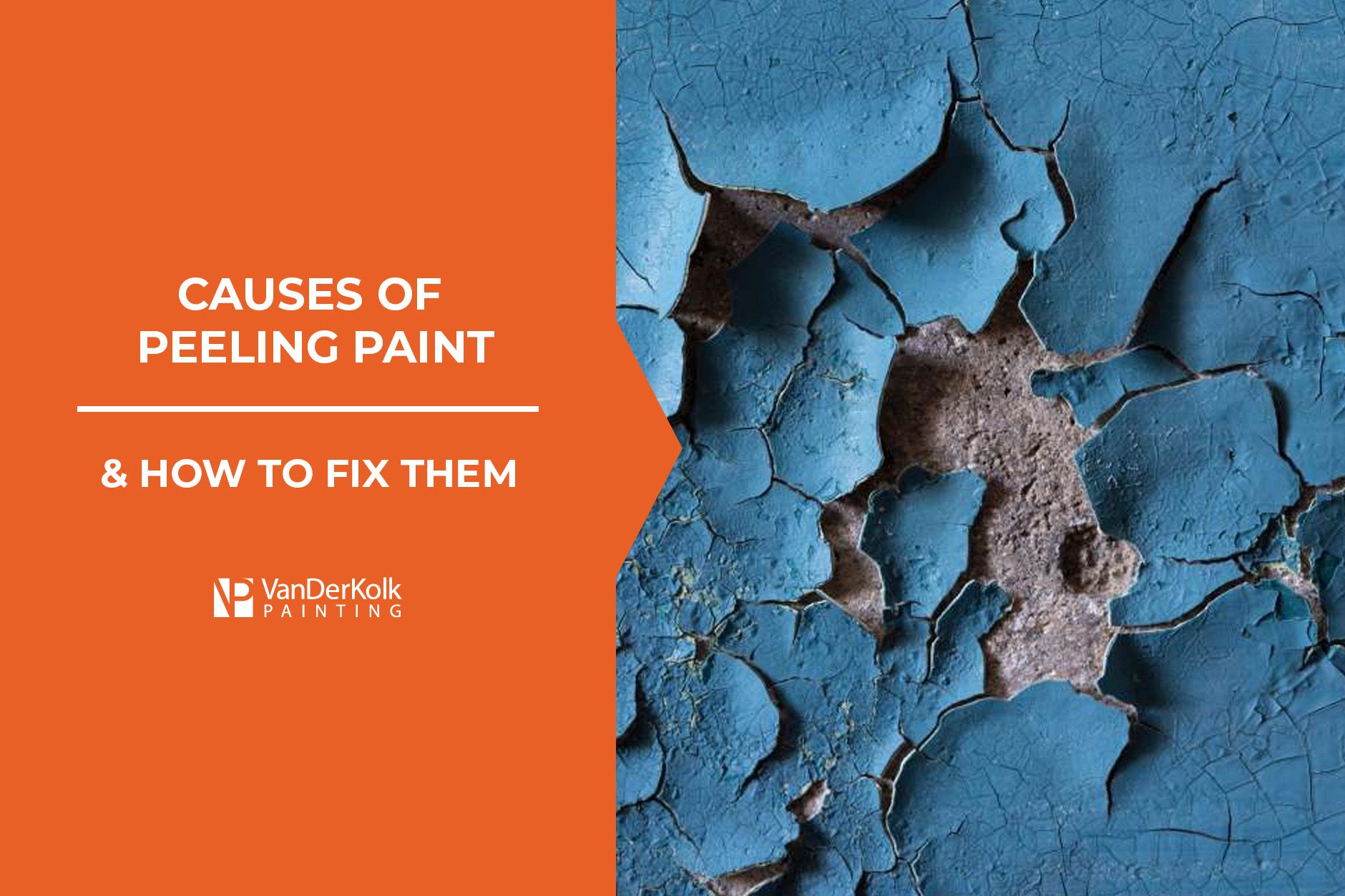
Peeling paint is almost never caused by the paint itself. Repainting without addressing the root cause will almost always lead to recurring peeling.
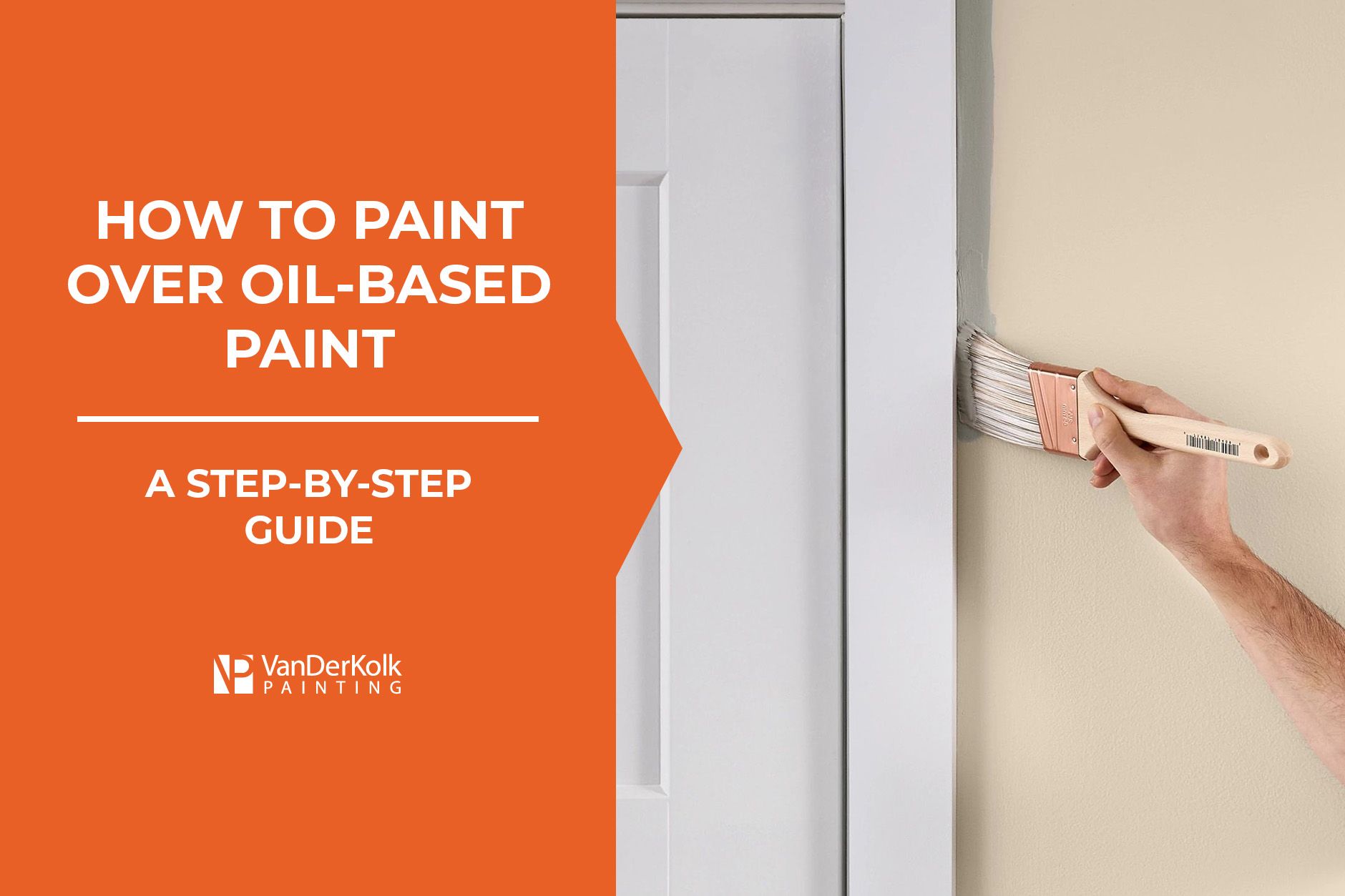
You can paint over oil-based paint, but how you do it depends on what you’re painting over it with. The process can be broken down into 4 simple steps.
This guide breaks down the costs involved in kitchen painting in Michigan, including what drives the price up or down. Learn what to expect...
The Average Cost of Interior House Painting In Michigan (2026)
Key Takeaways: Most Michigan homeowners pay between $300 and $900 to have a standard full bathroom painted professionally. Small half baths start around $200. Large primary bathrooms with detailed trim and high ceilings can reach $1,500 or more. Bathrooms require moisture-resistant paint in a satin or semi-gloss finish due to humidity and temperature swings in Michigan. Keep in mind that settling for an average price often means receiving average work. It often saves money in the long run to work with more experienced painters who use higher-quality paints. Always ask what prep work is included before you commit to anything.

Can You Paint Over Wallpaper? Expert Answers & Tips
One-Coat House Paint: Does It Actually Work?
How to Paint a Ceiling: Techniques, Tips, and Tricks
Elastomeric Paint: Pros, Cons, and When to Use It
How to Paint Vinyl Siding In 5 Steps