
Jen
The Average Cost of Interior House Painting In Michigan (2026)
Key Takeaways:
- The average cost to paint a home interior in Michigan in 2026 ranges from $3.00 to $8.00 per square foot, with most homeowners falling somewhere in that range, depending on surfaces, prep work, and project complexity.
- Room-level pricing varies widely, with bedrooms typically costing $390-$1,040 and larger spaces like living rooms or dining rooms ranging from $990-$2,640, while high ceilings or complex layouts increase costs.
- Full-home interior painting costs depend on square footage, with single-family homes averaging $4,500-$12,000 and larger multi-level homes reaching up to $28,000.
- Key cost drivers include prep work, ceiling height, paint quality, color changes, and labor, with prep alone adding $0.50 to $3.00 per square foot and labor typically costing $20-$50 per hour.
You’re planning to paint the interior of your home, and you want to know what it’s going to cost before anyone walks through your door to give an estimate. The numbers you’ll find on most websites are national averages, and they’re usually a few years old. Pricing in Grand Rapids, Michigan, follows its own formula, shaped by what labor costs here and the kind of homes that are common in the area.
So what should you expect to pay? Most Michigan homeowners are looking at between $3.00 and $8.00 per square foot for a professional interior paint job. Knowing that range before you start calling painters matters. It gives you a baseline to measure quotes against and makes it a lot harder for an estimate to catch you off guard.
When it comes to professionally
painting your home’s interior, VanDerKolk Painting in Grand Rapids, Michigan, is your trusted service provider. With our team of experienced and precise painters and our competitive prices, we strive to make the process of upgrading your home’s interior with a fresh coat of paint both easy and affordable.
In this post, we’ll cover what drives the cost of interior house painting up, what you can do to bring it down, and when a DIY approach actually makes sense. By the end, you’ll have a realistic number in mind and know exactly what questions to ask when you’re ready to get a quote.
What Is the Average Cost for Interior House Painting in Michigan in 2026?
Most Michigan homeowners spend between $3.00 and $8.00 per square foot for a professional interior paint job. Where you land in that range depends on what surfaces are being painted, the condition of the walls, and how much prep work is involved before a brush touches anything.
Keep in mind that these are Michigan market figures. National averages you’ll see on other sites tend to run lower, but they don’t account for local labor rates or the prep demands that come with the older homes that populate the state.
Below you’ll find a breakdown of the per-square-foot cost for interior painting in Michigan:
| What You’re Painting | Average Cost Per Square Foot |
|---|---|
| Walls only | $3.00 - $4.00 |
| Walls and ceilings | $4.00 - $6.00 |
| Walls, ceilings, and trim | $5.00 - $8.00 |
| Trim only | $1.00 - $3.00 |
Of course, you should keep in mind that settling for the average price could also result in an average paint job. It’s better to budget higher than the average for your project to ensure you get a new coat of paint that not only looks great but also lasts for years to come.
Cost to Paint Per Room
There aren’t too many situations where a homeowner will paint the entire interior of their home all at once. They will likely repaint the most-used rooms, such as the
kitchen, living room, and
bedrooms. So, what is the average cost of interior house painting per room?
| Room | Average Square Footage | Average Price |
|---|---|---|
| Half bath/powder room | 50 | $150 - $400 |
| Full bathroom | 70 | $210 - $560 |
| Bedroom | 130 | $390 - $1,040 |
| Kitchen | 160 | $480 - $1,280 |
| Living room | 330 | $990 - $2,640 |
| Dining room | 330 | $990 - $2,640 |
| Two-story foyer or hallway | Varies | $1,200 - $2,500 |
| Finished basement | Varies | $1,500 - $3,000 |
Bathrooms and kitchens tend to land toward the higher end of their range because of the obstacles involved, such as cabinets, toilets, and fixtures, which all require careful cutting in.
Two-story foyers and rooms with high ceilings carry a premium because of the equipment and extra labor required to reach them safely.
Finished basements vary the most because square footage and ceiling height differ significantly from home to home.
Cost to Paint Per House Type
If you’re planning to repaint most or all of your home’s interior, it helps to think of the project in terms of your home’s total square footage rather than room by room. Here’s how the numbers typically break down in Michigan for a full interior repaint.
| House Type | Average Square Footage | Average Price |
|---|---|---|
| Apartment | 900 | $2,700 - $7,200 |
| Condo | 1,250 | $3,750 - $10,000 |
| Single-family home | 1,500 | $4,500 - $12,000 |
| Multi-level single-family home | 3,500 | $10,500 - $28,000 |
Cost to Paint Per Surface
When painting the interior of your home, you’ll have to consider painting more than just the walls. You’ll likely also want to paint the doors, trim, ceiling, and maybe even kitchen cabinets to match the new interior design. The average cost per square foot of different surfaces can vary.
| Surface | Average Price |
|---|---|
| Wall | $1.50 to $3.00 per sq ft |
| Ceiling | $1.50 to $3.00 per sq ft |
| Trim/baseboards | $1.50 to $3.00 per linear sq ft |
| Interior doors | $75 - $100 per door |
| Cabinet doors | $100 to $200 per door |
| Cabinet drawers | $75 - $120 per drawer |
Ceilings are priced the same as walls per square foot, but they take longer. Working overhead is slower, and drips are a constant hazard. Painters often account for that even when the rate looks identical.
Trim adds up fast in older Michigan homes. A Craftsman bungalow has a lot of linear feet of baseboard, casing, and built-ins. And if that woodwork is currently stained and you want it painted white, you’re looking at sanding, stain-blocking primer, and an extra finish coat. That’s a meaningfully different job than touching up trim that’s already painted.
Doors and cabinets are priced per unit because the work is detail-intensive. Cabinet painting requires sanding, priming, and multiple smooth coats. The per-door cost looks steep until you watch someone do it properly.
Related:
Ceiling Paint vs. Wall Paint: The Difference Explained
What Factors Influence the Cost of Interior House Painting?
Without getting a direct quote from a professional residential painting company, it can be difficult to estimate the cost of interior house painting, as there are multiple factors that influence the price. However, understanding these influences can help you estimate the price a little better.
Room Size
As mentioned previously, the square footage of a room will influence the cost of interior house painting. The larger the room, the more expensive it will be. The national average cost per square foot for painting the walls, ceiling, and trim in a room is $4.78.
Ceiling Height
Standard 8-foot ceilings are straightforward. Once a room gets taller, like a two-story foyer, a vaulted great room, or an older home with 10-foot ceilings throughout, the job becomes more complicated. Painters need different equipment, and the work takes longer. A room with 18-foot ceilings is not twice the job of a room with 9-foot ceilings. In our experience, it’s closer to three times more.
Paint Type and Quality
Not all paints are made the same. In fact, there are two types of paint that homeowners are likely to choose for their interior walls: water-based and latex.
The price of these paint types will depend on the brand and their quality. Some paints are made to last years with high-quality ingredients, while others are more budget-friendly and may require retouching occasionally.
Remember, painting your home’s interior is an investment in your home. We recommend choosing a high-quality interior paint that is made to withstand sun exposure, humidity, and overall wear and tear.
Investing in a professional painting service with quality paint means it
could last between five and ten years before needing a retouch.
Color Change
Refreshing the same color is the simplest scenario. Going from dark to light—or any significant color shift—usually means an extra coat and often a tinted primer to get even coverage. That adds materials and time to the project. If you’re planning a big color change, mention it when you call for a quote. It affects the estimate more than most people expect.
Number of Coats and Primer
Two coats are standard. A third is sometimes necessary when covering a dramatic color change or painting over bare drywall or wood. Primer matters here. When paint is applied to an unprepared surface, it absorbs unevenly and tends to fail earlier.
Professional painters usually include primer when the surface calls for it. It’s also one of the less glamorous reasons a professional job holds up longer than a DIY one. Want some more information about just how important primer is? Read our post “Do You Need to Prime Walls Before Painting?” for our expert insights.
Surface Prep
Before painting can begin, you must prep the surface area. Sometimes, this means repairing any holes from hanging frames or nicks in the wall. Other times, it requires sanding the walls to ensure a smooth and even surface. Prepping the walls and other surfaces can cost between $0.50 to $3.00 per square foot.
Moving Furniture
It’s likely that when painting your home’s interior, you’ve been living there for a while and have furniture sitting in the room where you wish to paint.
Professional painting companies will offer to move furniture and cover it properly with protective plastic and tarps before painting the walls and ceiling. However, you can expect to see an extra charge for this heavy lifting.
Wall Paper Removal
Part of prepping your home for interior painting sometimes means removing wallpaper that has previously been applied. This can be quite a strenuous and laborious task, resulting in professional painters charging around $1.50 to $5.00 per square foot to remove it.
Thinking of keeping the wallpaper to save on the cost of your interior house painting project? Read our guide “Can You Paint Over Wallpaper? Expert Answers & Tips” to see if it’s the right move for your project.
Accent or Textured Walls
When searching Pinterest for interior design ideas, you’ve probably stumbled across rooms with accent walls or textured paint. We can’t deny that they look great and truly elevate a room, but they do influence the cost of interior painting.
If you would like to add an accent wall to your room, you can expect to pay between 20% and 30% more. This is mostly due to the extra labor and supplies, such as a new paint color.
For textured walls, homeowners can expect to pay an additional 50% due to the technique and skill required to get this chic and elevated look.
Stained Wood Trim Conversion
Stained wood trim is common in older Michigan homes and is consistently underestimated. Converting stained wood trim to painted white isn’t the same job as repainting trim that’s already painted. The wood requires sanding, a stain-blocking primer, and at least two topcoats for a clean result. If your home has original stained woodwork and you want it white, get that scoped separately. It can add up.
Condition of Existing Paint
Walls in good condition need cleaning and light prep. Walls with peeling, cracking, or significant patching need real work before paint goes on. Every hour of that is an hour of labor in your bill. If your walls have some history, factor prep costs in as their own line item rather than assuming they’re folded into a standard rate.
Labor
Lastly, one of the most important factors affecting the average cost of interior house painting is labor costs. You’re choosing to go with a professional painting company, like VanDerKolk Painting, because you want a high-quality and precise paint job that will last. Excellent interior painting is a skill that not many homeowners acquire.
On average, a skilled professional painter will charge between $20 and $50 per hour for interior house painting.
When DIY Makes Sense (And When It Doesn’t)
Of course, you can paint your home’s interior by yourself. But are you willing to go out, buy all of the supplies (making sure you're buying the right type of paint), prep the walls, move the furniture, add a primer, paint at least two coats of paint, wait for it to dry, and then put the room back together?
Painting your home can be a reasonable choice in the right circumstances. It’s also a project that takes a lot longer than most people expect and goes wrong in ways that aren’t obvious until the paint dries.
DIY is a good fit when:
- The room is small with low-stakes, such as a guest room, a utility room, or a single accent wall
- The walls are in decent shape and don’t need much prep
- You’re refreshing the same color or making a minor change
- You genuinely have the time for it, including prep, primer, two full coats, and proper drying time in between
It gets more complicated when:
- Ceilings are high, or the space is two stories—ladders and scaffolding change everything
- The walls need real repair work before paint goes on
- You’re making a significant color change, especially from dark to light
- The trim is stained wood, and you want it painted white or a light color
- The kitchen or bathroom has a lot of obstacles and tight cutting in around cabinets and fixtures
- You’re looking at most or all of the house, where the time commitment adds up fast
Paint and supplies for a standard bedroom run $150 to $300. A professional charges $390 to $1,040 for the same room. That’s the real difference.
What doesn’t show up in that comparison is prep discipline. That includes the sanding, the priming, and the careful cutting in that determines whether the job holds up for two years or ten. For a single straightforward room, DIY is hard to argue against. For anything more involved, run the numbers, including your time, before deciding.
Tips to Save on the Cost of Interior House Painting
If you aren’t up for painting your home’s interior all by yourself, there are some ways to decrease the cost of professional interior house painting. And here’s the good news: none of these requires any painting skills.
- Prep the room yourself: Clean the walls, fill small nail holes, and sand any rough patches. Basic prep is well within DIY territory, and every hour you save your painter comes off the bill.
- Move your own furniture: Painters will move it, but they charge for it. Clear the room as much as you can beforehand and put down your own drop cloths if you have them.
- Stick to one color: Multiple colors and accent walls add time and materials. A single color throughout is the fastest way to keep a project budget in check.
- Get multiple quotes and ask what’s included: Two quotes at similar prices can cover very different scopes of work. Ask each contractor directly what prep is included—cleaning, patching, priming—before you compare numbers.
When is the Best Time to Paint Your House Interior?
If you’re in the Grand Rapids area, the best time to paint your home is during the winter. This may surprise some homeowners! With decreased humidity, paint will dry faster during the winter months.
VanDerKolk Painting’s Professional Take
What more than 30 years of painting homes in Grand Rapids has taught us one thing about cost: the number that matters isn’t what you pay upfront. It’s how long the job holds up.
We recommend premium paint on every project. Not as an upsell, but because we’ve seen what happens when homeowners go the other way. Budget paint fades faster, marks when you clean it, and starts showing wear in high-traffic areas within a couple of years. By the time you factor in repainting sooner than you planned, the savings from cheaper paint rarely add up.
Prep work is the other piece most people underestimate. Paint applied ot a wall that hasn’t been properly cleaned, patched, and primed will tell you so eventually, usually within a year or two. We put more time into surface prep than most homeowners expect. That’s where the longevity of a paint job is actually decided, not in the finish coat.
When done right with premium materials, proper prep work, and two solid coats, an interior paint job should hold up seven to ten years before it needs real attention. That’s what we aim for on every job, and it’s a reasonable bar to hold any professional painter to.
Get Your Free Interior House Painting Quote from VanDerKolk Painting
You don’t have to guess how much it would cost to paint the interior of your West Michigan home. The professional Grand Rapids painters at VanDerKolk Painting can provide you with a free estimate. Our painters will come out to your home and walk you through your options and the associated costs.
Our team of licensed painters is here to help you choose your new paint color, decide which paint quality is best for your investment, and strategize a plan to efficiently repaint your home’s interior.
Contact us for a free estimate for your interior house painting project today!
FAQs on Michigan Interior House Painting Costs
How much does it cost to paint a room in Michigan?
Most rooms run between $390 and $2,640, depending on size and complexity. A standard bedroom costs around $390 to $1,040. A living room or dining room costs between $990 and $2,640.
How long does interior paint last?
A professional paint job done with premium materials and proper prep should hold up seven to ten years before it needs real attention. Budget paint and skipped prep steps will shorten that significantly.
How do I know if I need primer?
If you’re painting over bare drywall, raw wood, stained surfaces, or making a significant color change, primer is not optional. Professional painters include it when the surface calls for it. Skipping it is one of the most common reasons paint fails early.
How much does it cost to convert stained wood trim to painted white?
More than most homeowners expect. Stained wood requires sanding, a stain-blocking primer, and at least two topcoats. Request a separate quote for this project. It’s a meaningfully different job from repainting trim.
Can I save money by doing some of the work myself?
Yes, prepping the walls, moving furniture, and laying down drop cloths before the crew arrives all reduce billable labor hours. Basic wall prep, like filling nail holes, cleaning walls, and light sanding, is well within DIY territory and comes directly off your bill.
How many coats of paint do I need?
Two coats are standard for most interior jobs. A third coat is sometimes necessary when covering a dramatic color change or painting over an unprepared surface.
Does ceiling height affect the cost?
Yes, the height of your ceiling affects the cost of your interior painting project. Standard 8-foot ceilings are straightforward, but anything taller can require different equipment and take considerably longer.
How do I get an accurate quote for my interior painting project?
Have your square footage ready, know which rooms you want painted, and be upfront about the condition of your walls and whether you’re planning any color changes or trim conversions. The more specific you are going in, the more accurate the estimate you’ll get back.

About Tom VanDerKolk
Tom VanDerKolk is a professional painter with over three decades of experience and the owner of VanDerKolk Painting, a leading painting contractor serving West Michigan. Since founding the company in 1991, Tom has overseen projects ranging from residential homes to complex commercial and industrial facilities. His background includes formal training under a master painter and decades of hands-on application across a wide range of surfaces, coatings, and environments. Tom regularly shares practical insights to help homeowners and property managers make informed decisions about painting, maintenance, and long-term surface protection.
Request A Free Quote
Our Services
Residential Services
Commercial & Industrial Services
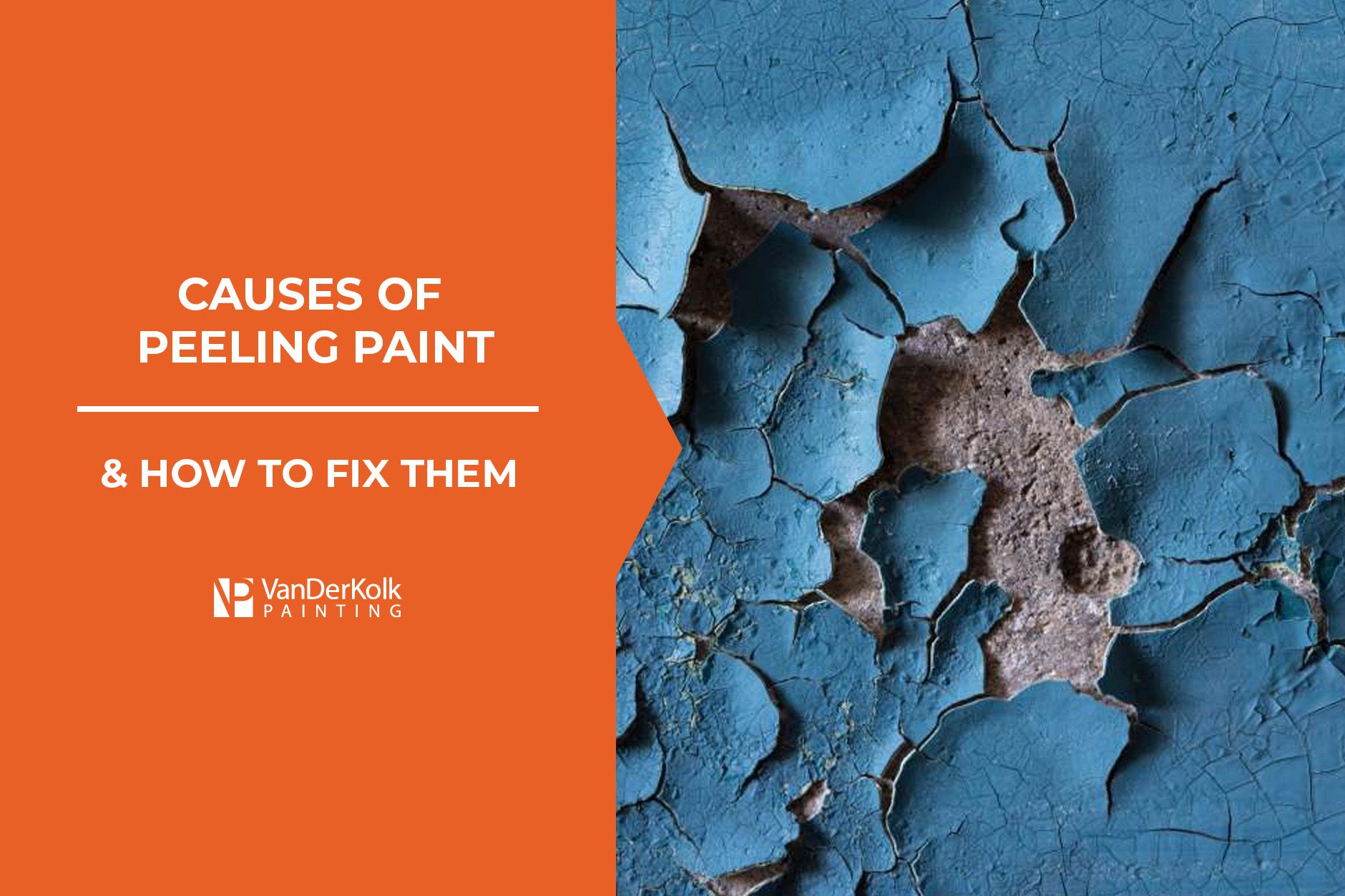
Peeling paint is almost never caused by the paint itself. Repainting without addressing the root cause will almost always lead to recurring peeling.
You can paint over oil-based paint, but how you do it depends on what you’re painting over it with. The process can be broken down into 4 simple steps.
This guide breaks down the costs involved in kitchen painting in Michigan, including what drives the price up or down. Learn what to expect...
Key Takeaways: Most Michigan homeowners pay between $300 and $900 to have a standard full bathroom painted professionally. Small half baths start around $200. Large primary bathrooms with detailed trim and high ceilings can reach $1,500 or more. Bathrooms require moisture-resistant paint in a satin or semi-gloss finish due to humidity and temperature swings in Michigan. Keep in mind that settling for an average price often means receiving average work. It often saves money in the long run to work with more experienced painters who use higher-quality paints. Always ask what prep work is included before you commit to anything.
How to Test for Oil-Based Paint: 3 Simple Methods
Can You Paint Over Wallpaper? Expert Answers & Tips
One-Coat House Paint: Does It Actually Work?
How to Paint a Ceiling: Techniques, Tips, and Tricks
Elastomeric Paint: Pros, Cons, and When to Use It
How to Paint Vinyl Siding In 5 Steps