
Jen
One-Coat House Paint: Does It Actually Work?
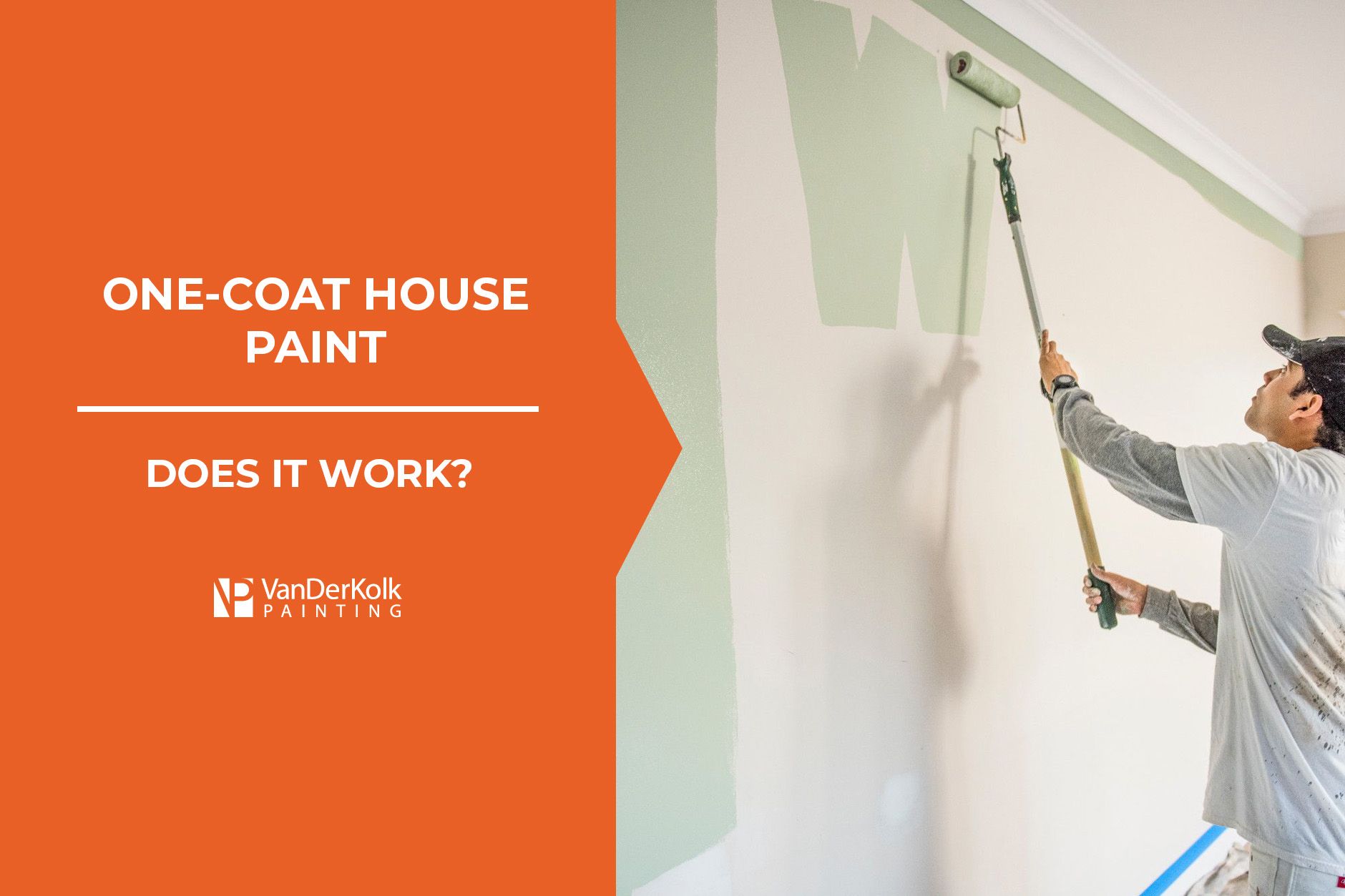
Save time, reduce labor, and still get great coverage. That’s what one-coat house paint promises, but does it actually work?
Painting a room in your home is a big task. From prepping the walls, priming, and then finally applying a coat of paint, it can easily become a weekend project. However, with one-coat house paint formulas, that two-day paint job could be reduced to just one.
At VanDerKolk Painting, we firmly believe that surfaces require
at least
two coats of paint for optimal coverage and durability. When we were asked about one-coat house paint, we had to wonder just how effective it is.
Today, we’re doing a deep dive into one-coat house paint, if it works, and our expert tips to make the most out of the formula. If you’ve been considering trying one-coat house paint, then you’ll want to keep reading.
What Is One-Coat Paint?
One-coat paint is a specially formulated paint that promises to deliver full coverage in a single coat. It is thicker than most conventional paints, with 20% more paint solids, providing a more opaque coating.
Now, it’s important to make a distinction between a one-coat paint and an all-in-one paint product.
One-coat paint allows you to apply just one coat to your surface, but it still requires a first coat of primer. All-in-one paint is a primer-paint combination that eliminates primer application. It could also require two coats of paint.
However, it is possible to find one-coat paint formulas that serve as both a primer and a paint. Always remember to consult a professional painter or your local hardware store to ensure you understand the difference.
Some popular one-coat paint products include
Behr Marquee,
Valspar One-Coat, and
Aura by Benjamin Moore.
Does One-Coat House Paint Actually Work?
Yes, one-coat house paint can work, but only in the right situations.
Before deciding which type of paint to use, it’s important to assess your project, especially the surface you wish to cover. Consider the color you’re painting over, the surface material, and its texture. All of these factors determine whether one-coat paint will work.
When One-Coat Paint Might Fail
To be honest, there are more situations where one-coat paint might let you down than situations where it will actually work. It’s best to avoid using one-coat paint (or expect to add a second coat) in the following circumstances.
Big Color Changes
If you’re going from dark to light or trying to cover red or blue pigments, one-coat paint likely won’t give you the coverage you’re looking for. These colors are difficult to paint over, so a one-coat paint formula may not be the best option.
Porous or Unprimed Surfaces
One-coat paint doesn’t perform well on all surface types. For example, porous material such as new wood or bare drywall will likely require at least two coats. This is because the surface will absorb the paint, resulting in coverage that is faint and slightly dull.
High-Sheen Finishes
When covering a surface with a high-sheen finish (gloss or semi-gloss) or oil-based paint, a one-coat application may fall short.
If you decide to go with one-coat paint, make sure to scuff-sand the surface. This could contribute to just one coat of paint working, but you will likely require two.
Textured Surfaces
When working with a textured surface such as a popcorn ceiling, orange-peel textured walls, or even rough masonry, it’s best to avoid one-coat paint. Surface peaks and valleys can cause shadowing, and some coatings may appear thinner than others.
Stains or Discolorations
If your walls have stains or markings that need to be covered with a new coat of paint, you may want to skip a one-coat paint formula.
Most one-coat paint products do not cover marker drawings from your little ones, nicotine stains from previous residents, or water marks. (And if you see water marks, make sure to
check for mold and get to the source of the issue before applying new paint!)
When One-Coat Paint Might Work
One-coat paint might work for your project in some cases. Below are some examples when you can skip the two coats and try this innovative paint formula.
Similar Colors
If you’re repainting your walls with a similar color or one in the same palette, then one-coat paint could be a good option. This means that you aren’t completely changing the color or tone.
However, this can also work if you paint a darker color over a lighter one. Typically, the dark pigment completely covers the lighter pigment beneath it.
Smooth Primed Surfaces
One-coat paint performs best on smooth, primed surfaces. These can include previously painted walls, doors, trim, and ceilings. It can also be used on sealed wood and latex-painted surfaces.
Remember, primer seals the surface, making it easier for the paint to adhere and cover it. For this reason, it is crucial to apply a primer coat when using one-coat paint.
Touch Ups or Recoats
Wear and tear are natural with paint, especially in high-traffic areas like the kitchen or hallways. One-coat paint can be used for quick touch-ups or to recoat sections of your wall. However, it must be the same paint sheen. For example, if the original paint is eggshell, use an eggshell one-coat paint formula.
Pros and Cons of One-Coat Paint
No paint is perfect. When deciding whether to use one-coat paint for your project, it’s essential to understand the pros and cons.
| Pros | Cons |
|---|---|
| Saves time on the application | Not always truly “one coat” in many real-world situations |
| Lower labor cost for repainting similar colors | Poor coverage on dark, bold, or saturated colors |
| Easy for maintenance or touch-ups in rental or turnover properties | Requires excellent surface prep for best results |
| Great on previously painted, smooth surfaces | Can flash or look uneven on patched areas |
| Paint + primer formulas block light stains | Does not block heavy water, nicotine, or tannin stains |
| Less product is used when conditions are ideal | Second coat often still needed on glossy or porous surfaces |
| Good choice for ceilings and light neutrals | Weak performance on textured surfaces |
| Fast drying and quick turnaround | May not hold up as long; durability improves with two coats |
| Ideal for DIY homeowners wanting quick results | Marketing claims can create unrealistic expectations |
Expert Tips for Getting the Best Results with One-Coat Paint
If you choose to use one-coat paint for your project, follow our expert tips to ensure optimal coverage.
Prime the Surface
At VanDerKolk Painting, we always prime surfaces before painting them. Applying a coat of primer helps paint adhere to the surface, making it more durable and long-lasting.
When using one-coat paint, select a tinted primer that matches your paint color. This can improve coverage and reduce the need for a second coat of paint.
Related Blog Post:
Types of Paint Primer: Which Primer Is Best?
Stir Paint Before Using
It is absolutely essential that you use a paint stirrer to stir one-coat paint before using it. These formulas typically contain high levels of hiding pigments, such as titanium dioxide, that sink over time and settle at the bottom of the paint can—failing to stir results in weak, watery paint with poor coverage.
Mixing the paint also means getting a consistent sheen and color. So, every part of your surface matches, and you avoid a patchy, irregular color look.
Use a High-Quality Paint Roller
To get the best coverage and most professional look when using one-coat paint, make sure to buy a high-quality paint roller.
We prefer to use a
microfiber ⅜’’ to ½’’ nap roller, an angled sash brush for cutting in, and a high-capacity roller tray. Ensure that your nap roller is thick and not made of foam or cheap material. A high-quality roller can hold more paint and deliver better coverage in a single pass.
Avoid Going Over Partially Dry Spots
The beauty of one-coat paint is that it dries fairly fast. If it’s your first time using it, you might be tempted to roll over partially dry sections to ensure coverage. Avoid this at all costs!
Going back over partially dry spots can lift the paint, create roller tracks, and cause uneven sheen on the surface. With a one-coat paint, the motto is apply, cover, and move on. No looking back.
Final Verdict: Is One-Coat Paint Right for Your Project?
One-coat paint can work in certain situations, but for the best results, we always recommend applying a coat of primer followed by at least two coats of paint.
Not only do you have more color options available this way, but you can choose the type of paint and sheen that matches your vision. You aren’t limited by the palettes or sheens of one-coat paint formulas.
Professional Painting For Your West Michigan Home
If you’re worried that the traditional (and proven) paint method of multiple coats is too much for a DIY project, then we can help at VanDerKolk Painting!
Our team of professional
Grand Rapids painters can handle any project in West Michigan—no matter how small or how big—and provide pristine results, guaranteed. We’ll work with you to choose the paint that will look best (and last the longest) for your project. Plus, we’ll provide a free, transparent estimate before work begins. No surprises, just honest work.
Request your free painting estimate today to see how we can help you transform your home’s interior.

About Tom VanDerKolk
Tom VanDerKolk is a professional painter with over three decades of experience and the owner of VanDerKolk Painting, a leading painting contractor serving West Michigan. Since founding the company in 1991, Tom has overseen projects ranging from residential homes to complex commercial and industrial facilities. His background includes formal training under a master painter and decades of hands-on application across a wide range of surfaces, coatings, and environments. Tom regularly shares practical insights to help homeowners and property managers make informed decisions about painting, maintenance, and long-term surface protection.
Request A Free Quote
Our Services
Residential Services
Commercial & Industrial Services
Peeling paint is almost never caused by the paint itself. Repainting without addressing the root cause will almost always lead to recurring peeling.
You can paint over oil-based paint, but how you do it depends on what you’re painting over it with. The process can be broken down into 4 simple steps.
This guide breaks down the costs involved in kitchen painting in Michigan, including what drives the price up or down. Learn what to expect...
The Average Cost of Interior House Painting In Michigan (2026)
Key Takeaways: Most Michigan homeowners pay between $300 and $900 to have a standard full bathroom painted professionally. Small half baths start around $200. Large primary bathrooms with detailed trim and high ceilings can reach $1,500 or more. Bathrooms require moisture-resistant paint in a satin or semi-gloss finish due to humidity and temperature swings in Michigan. Keep in mind that settling for an average price often means receiving average work. It often saves money in the long run to work with more experienced painters who use higher-quality paints. Always ask what prep work is included before you commit to anything.
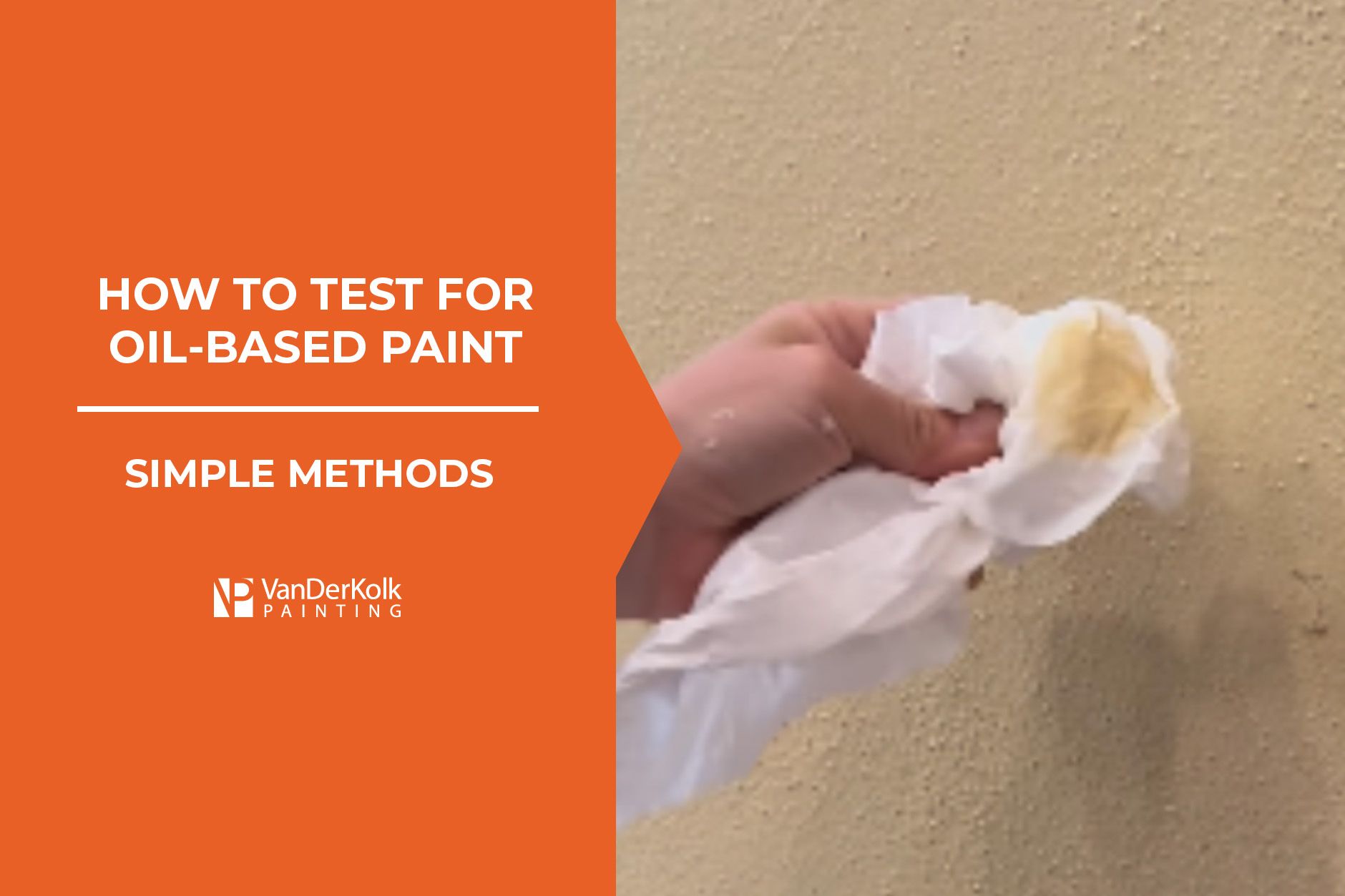
How to Test for Oil-Based Paint: 3 Simple Methods
Can You Paint Over Wallpaper? Expert Answers & Tips
How to Paint a Ceiling: Techniques, Tips, and Tricks
Elastomeric Paint: Pros, Cons, and When to Use It
How to Paint Vinyl Siding In 5 Steps