
Jen
What Paint Should I Use to Cover Rust?
Key Takeaways
- Paint alone does not stop rust. Rust must be removed or treated with a rust-inhibiting primer, rust converter, or encapsulator before painting to prevent it from returning.
- You can paint over rust, but only under the right conditions. Painting works best for light to moderate surface rust when the metal is still structurally sound and properly prepared.
- Surface preparation is more important than paint choice. Removing loose rust, cleaning the surface, and using the correct primer are the biggest factors in how long a rust paint job will last.
- There is no single “best” paint for all rust situations. The right product depends on rust severity, metal location, and exposure conditions, often requiring a system of treatment, primer, and topcoat.
- Severely rusted or weakened metal should be repaired or replaced. If rust has caused deep pitting, holes, or structural damage, painting is only a temporary fix and may pose safety risks.
You’ve been staring at your iron gate and have an overwhelming urge to cover the rust that has been spreading for months. Rather than replace the entire structure, you ask yourself, “What paint should I use to cover rust?”
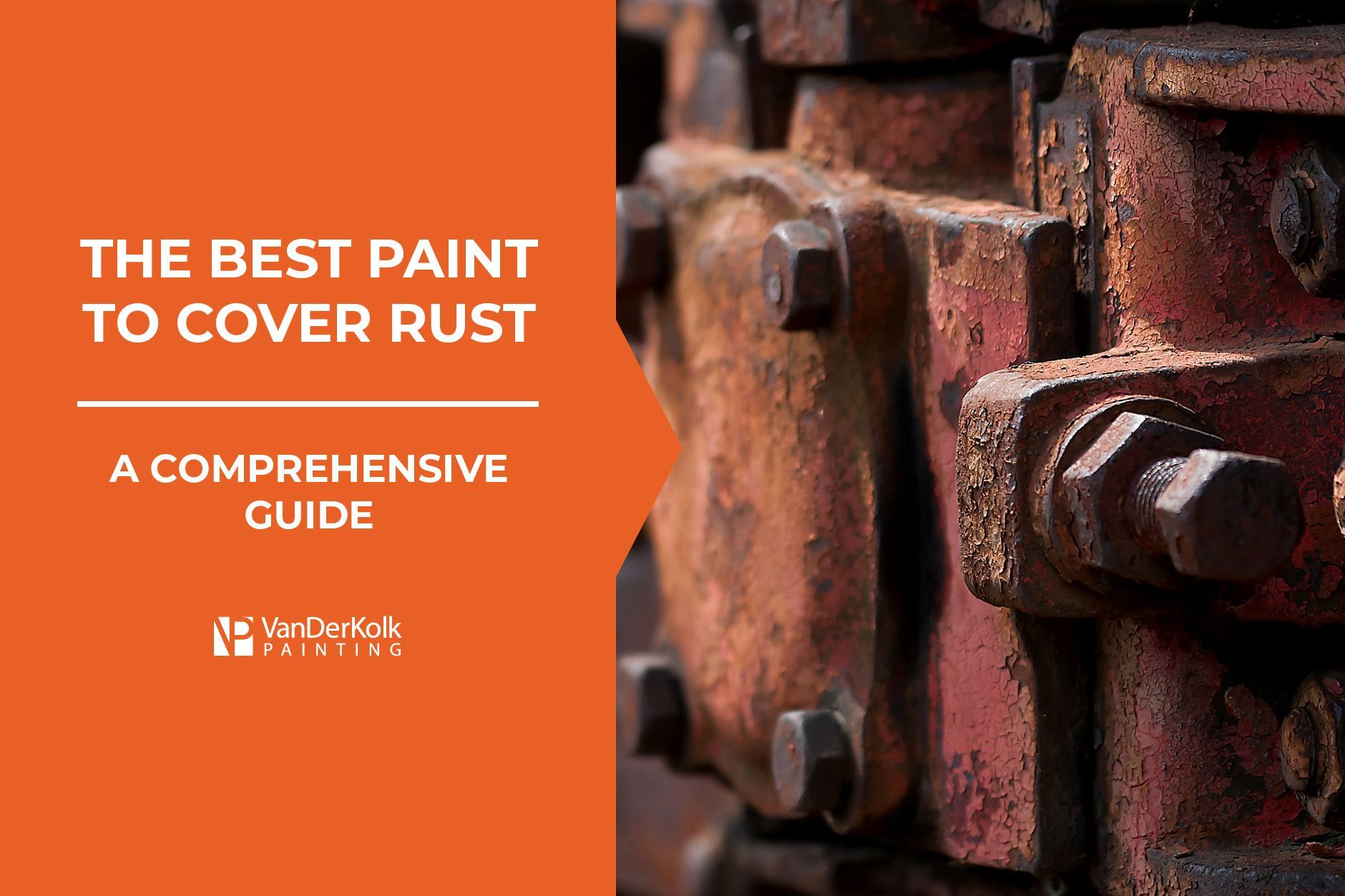
Rust is more than a cosmetic problem. It’s a sign that metal is actively breaking down due to moisture and oxygen exposure. If you paint over rust without using the right products or preparation, it will almost always come back.
The good news is that rusty metal can often be painted over successfully when the correct paint, primer, and prep process is used. The key? Understanding that paint alone doesn’t stop rust. Instead, you need products designed to inhibit, convert, or encapsulate corrosion before applying a finish coat.
Whether you’re tired of looking at a rusty eyesore or are enhancing your property’s curb appeal, learning how to paint over rust can be extremely beneficial.
VanDerKolk Painting is a West Michigan painting company that has been providing
residential,
commercial, and
industrial painting services to home and business owners since 1991. Our experienced painting team has divulged their knowledge so that you’ll know what paint works best to cover rust, when painting over rust is appropriate, and when it’s better to repair or replace the metal altogether, once you’re done reading this post.
What Causes Rust on Metal Surfaces?
Rust forms when iron or steel is exposed to moisture and oxygen over time. This chemical reaction, known as oxidation, slowly eats away at the metal and weakens its surface. Once rust begins, it continues to spread unless properly treated.
Common causes of rust include:
- Rain, snow, and humidity, especially on outdoor metal surfaces
- Condensation in damp or poorly ventilated areas
- Damaged or failing paint coatings that allow moisture to reach bare metal
- Salt exposure, particularly in colder climates or near roadways
Even a small scratch or chip in paint can expose metal underneath and allow rust to start forming. Over time, that rust can spread beneath the paint, causing bubbling, peeling, or flaking if not addressed.
Understanding what causes rust is important because you’ll know why surface preparation and the right paint formula matter. Simply painting over rust without stopping the oxidation process allows corrosion to continue underneath the paint, leading to a weak paint job.
Can You Paint Over Rust?
Yes, you can paint over rust, but only under the right conditions and with the correct products. Whether painting is a good solution depends on how severe the rust is and whether the metal can still support a coating.
Painting over rust works best when corrosion is limited to the surface, and the metal underneath is still structurally sound. In these cases, proper preparation and the right products can slow or stop the rust from spreading and extend the life of the metal.
That said, painting over rust is not always the right solution.
When You Can Paint Over Rust
Painting over rust is usually effective when:
The rust is light to moderate surface rust- The metal is still solid and not crumbling or flaking apart
- Loose rust can be removed with sanding or brushing
- A rust-inhibiting primer or rust converter is used before painting
In these situations, painting can restore the appearance of the metal and help protect it from further corrosion when done properly.
When You Should Not Paint Over Rust
Painting over rust is not recommended when:
- The rust has caused deep pitting or holes in the metal
- The metal is structurally weakened or brittle
- Rust continues to bleed through old paint coatings
- Large sections of metal are flaking or separating
In these cases, painting is only a temporary fix. The metal may need to be repaired or replaced to ensure safety and long-term durability.
Types of Paint and Products That Cover Rust
Not all paints are designed to handle rust. Choosing the right product depends on how much rust is present and where the metal is located. In most cases, stopping rust requires a combination of proper surface preparation, the right primer or treatment, and a durable topcoat.
Below are the main product categories used to cover and control rust effectively.
Rust-Inhibiting Paints
Rust-inhibiting paints are formulated to slow down corrosion and protect metal from moisture exposure. These paints are commonly used on metal surfaces that experience weather, humidity, and temperature changes.
Common rust-inhibiting paint options include:
- Alkyd or Oil-Based Paints: Provide strong adhesion and moisture resistance
- Direct-to-Metal (DTM) Paints: Designed to bond directly to properly prepared metal
- Metal Enamels: Create a durable, protective finish
These paints work best when applied over clean, properly primed metal. While some claim to be applied directly over rust, they perform much better when paired with rust removal or a rust-inhibiting primer.
Rust-Inhibiting Primers
Primers play a critical role in preventing rust from returning. A rust-inhibiting primer helps block moisture and creates a stable surface for paint to adhere to.
Rust-inhibiting primers are ideal when:
- Bare metal is exposed after sanding
- Rust has been removed, but may return
- Long-term protection is the goal
Some primers contain corrosion-resistant pigments or zinc compounds that help protect the metal underneath the paint. Skipping primer is one of the most common reasons rust paint jobs fail.
Rust Converters and Rust Encapsulators
Rust converters and encapsulators are used when rust cannot be removed completely. These products are designed to chemically neutralize rust and create a paintable surface.
They’re commonly used when:
- Rust is deeply pitted, but the metal is still solid
- Sanding cannot remove all corrosion
- Additional protection is needed before priming or painting
Rust converters change rust into a stable compound, while rust encapsulators seal it in. Once cured, most require a primer or topcoat to protect the surface and achieve a finished look.
What is the Best Paint to Cover Rust?
There isn’t a single “best” paint for every rust situation. The right product depends on how severe the rust is, where the metal is located, and how long you want the results to last. In most cases, the best results come from using a system—not just one coat of paint.
Below is a comparison of common paint and coating options used to cover rust effectively.
| Product Type | Best For | Key Benefits |
|---|---|---|
| Rust-inhibiting enamel | Outdoor metal surfaces | Moisture resistance and durability |
| Direct-to-metal (DTM) paint | Light surface rust | Strong adhesion with fewer steps |
| Zinc-rich primer | Moderate to heavy rust | Corrosion protection at the metal level |
| Rust converter | Pitted or hard-to-remove rust | Chemically neutralizes rust |
| Epoxy or industrial coatings | High-wear or commercial surfaces | Extremely durable, long-lasting finish |
Rust-inhibiting enamels and DTM paints are commonly used on items like railings, fences, and metal doors when rust is minimal and the surface has been properly prepared.
Zinc-rich primers and rust converters are better suited for areas where corrosion is more established and long-term protection is crucial.
While many products advertise that they can be applied directly over rust, results are much more reliable when rust is treated or removed first. Combining surface preparation with the right primer and topcoat increases the lifespan of the paint job.
How to Paint Over a Rust (Step-by-Step)
Proper preparation is the most important part of painting over rust. Even the best paint will fail if rust isn’t addressed correctly before coating the surface. Following the steps below will help extend the life of the paint and reduce the chance of rust returning.
Step 1: Remove Loose Rust and Failing Paint
The first step is to remove as much loose rust as possible from the area you wish to paint. This creates a stable surface for primers and coatings to adhere to.
- Use a wire brush, scraper, or sandpaper to remove flaking rust
- Sand surrounding paint edges to smooth transitions
- Remove all loose or peeling material
It isn’t necessary to remove every stain of rust, but anything that’s loose or powdery must be eliminated.
It’s important to thoroughly examine the piece of metal you wish to paint to ensure the rust hasn’t affected the metal’s integrity. If the rust has eaten away at the metal structure too much, it may not be worth painting over.
Step 2: Clean and Dry the Surface
After sanding, clean the metal thoroughly to remove dust, grease, and residue.
- Wipe down the surface with a damp cloth or mild cleaner
- Remove oil, dirt, and debris
- Allow the surface to dry completely before moving on
Moisture trapped under paint or primer can cause rust to return quickly.
Step 3: Apply a Rust Treatment or Primer
Arguably, the most critical step in painting over rust is priming the area with a durable, appropriate primer.
- Use a rust converter or encapsulator if rust remains after sanding
- Apply a rust-inhibiting or zinc-rich primer to bare metal
- Follow manufacturer recommendations for coverage and drying time
Adding a primer will improve the paint’s adhesion to the surface and prevent discoloration. Even on lightly rusted surfaces, you should use a primer.
Skipping this step is one of the most common reasons rust paint jobs don’t last.
Extensive Rust: When dealing with extensive rust, opt for a water or oil-based rust converter metal primer. This will prevent the rust from expanding and cover it so you can easily paint over it with a paint color of your choosing.
Lightly Rusted: When painting over a lightly rusted surface, choose a water- or oil-based rust-preventative primer. Also referred to as a rust inhibitor primer, this strong primer prevents rust from forming because it includes zinc, which oxidizes itself and takes years to break down.
It’s important to remember that your paint type should match the primer you use. Never pair an oil-based primer with water-based paint or vice versa.
Step 4: Apply the Paint
Now that you have prepped and primed your rusted metal surface, it’s time to paint over the surface and bring new life to the structure.
- Apply paint in thin, even coats
- Allow proper drying time between coats
- Apply at least two coats for best protection
You can apply your chosen paint and color with a brush or a spray. We recommend adding at least two coats to ensure even coverage and an opaque color. Additionally, painting in moderate temperatures and low humidity will improve adhesion and finish quality.
Common Mistakes to Avoid When Painting Rust
Even with the right paint, rust can return quickly if common mistakes are made during preparation or application. Avoiding these issues can make the difference between a paint job that lasts years and one that fails within months.
These common mistakes include:
- Painting over loose rust: Paint will not adhere properly to flaking or powdery rust. Any loose material must be removed before priming or painting.
- Skipping primer or rust treatment: Applying paint directly to rust without a rust-inhibiting primer or converter allows corrosion to continue beneath the surface.
- Using interior paint outdoors: Interior paints are not designed to withstand moisture, temperature changes, or UV exposure, and will fail quickly on exterior metal.
- Applying paint too thickly: Heavy coats trap moisture and dry unevenly, increasing the risk of peeling and rust bleed-through.
- Painting in poor conditions: High humidity, cold temperatures, or wet surfaces can prevent proper curing and adhesion.
Avoiding these mistakes helps ensure the paint system works as intended and provides long-term protection.
How Long Does Paint Over Rust Last?
How long paint lasts over rust depends less on the paint itself and more on the surface preparation, product selection, and exposure conditions. When rust is properly treated and the right paint system is used, results can last for several years.
In general, paint applied over rust can last:
- 2-5 years when rust is lightly treated, or preparation is minimal
- 5-10 years or longer when rust is properly removed or neutralized, primed, and sealed
- Shorter periods on surfaces exposed to constant moisture, salt, or extreme temperature changes
Outdoor metal surfaces such as railings, fences, and gates typically require more maintenance and interior metal due to weather exposure, especially in Michigan. Regular inspections and touch-ups can significantly extend the life of a rust paint job.
Will Rust Continue to Spread Under Paint?
In theory, when you paint over rust and use the correct primer, the rust will stop spreading along the metal’s surface.
However, if there is a scratch in the paint or there is rust located behind the metal or inside the structure, it can still spread.
For this reason, we recommend closely examining the object or structure and covering all or most of the surface, regardless of whether there is rust present. This will ensure rust does not spread and your metal object or structure lasts longer.
When to Call a Professional Painter for Covering Rust
While some small rust issues can be handled as DIY projects, larger or more severe rust problems often benefit from professional help. A professional painter from VanDerKolk Painting can assess the condition of the metal and determine whether painting, repair, or replacement is the best long-term solution.
It may be time to call a professional if:
- Rust covers a large surface area or multiple metal components
- The metal shows signs of deep pitting, holes, or structural damage
- Rust keeps returning despite previous paint attempts
- The project involves exterior metal exposed to harsh weather conditions
Professional painters use commercial-grade surface preparation methods and coatings designed to deliver longer-lasting results, especially in climates where moisture and temperature changes accelerate corrosion.
If you’re dealing with rusted metal on your home or property and want a durable, professional finish, working with an experienced painting professional from VanDerKolk Painting can save time, reduce frustration, and extend the life of your metal surfaces.
Let VanDerKolk Painting Paint Your Metal Surfaces
Painting over rust doesn’t have to be a mystery. While finding the right combination of primer and paint is crucial, there’s an easier way to revive your metal piece while avoiding any chance of mistakes.
As a
Grand Rapids painting company, VanDerKolk Painting is available for all of your painting needs! Our professional painters are trained in choosing the correct primer and paint for your situation. Their steady and careful hands guarantee a perfect paint job, no matter the condition.
Specializing in residential, commercial, and industrial, no paint job is too big or too complex for the VanDerKolk Painting team. Get a free estimate for your paint project today by filling out an
online contact form or by calling
(616) 202-6570.
FAQs About Painting Over Rust
Does paint stop rust permanently?
Paint alone does not stop rust permanently. Rust must be removed or treated with a rust-inhibiting primer or rust converter before painting. Without proper preparation, rust will continue to spread beneath the paint.
Can you paint over rust without sanding?
In some cases, yes, but only if you use a rust converter or encapsulator designed to neutralize rust. Even then, loose or flaking rust should always be removed to ensure proper adhesion.
What’s better: a rust converter or a rust-inhibiting primer?
Both serve different purposes. Rust converters are best for surfaces where rust can’t be fully removed, while rust-inhibiting primers are ideal after rust has been sanded away. In some situations, both may be used together for added protection.
Will rust bleed through paint?
Yes, rust can bleed through paint if it isn’t properly treated. This often appears as brown or orange stains and indicates that corrosion is still active underneath the coating.
Is it worth painting rusted metal, or should it be replaced?
If the metal is still structurally sound, painting can be a cost-effective solution. However, if rust has weakened the metal or created holes, replacement is usually the safer and longer-lasting option.

About Tom VanDerKolk
Tom VanDerKolk is a professional painter with over three decades of experience and the owner of VanDerKolk Painting, a leading painting contractor serving West Michigan. Since founding the company in 1991, Tom has overseen projects ranging from residential homes to complex commercial and industrial facilities. His background includes formal training under a master painter and decades of hands-on application across a wide range of surfaces, coatings, and environments. Tom regularly shares practical insights to help homeowners and property managers make informed decisions about painting, maintenance, and long-term surface protection.
Request A Free Quote
Our Services
Residential Services
Commercial & Industrial Services
Peeling paint is almost never caused by the paint itself. Repainting without addressing the root cause will almost always lead to recurring peeling.
You can paint over oil-based paint, but how you do it depends on what you’re painting over it with. The process can be broken down into 4 simple steps.
This guide breaks down the costs involved in kitchen painting in Michigan, including what drives the price up or down. Learn what to expect...
The Average Cost of Interior House Painting In Michigan (2026)
Key Takeaways: Most Michigan homeowners pay between $300 and $900 to have a standard full bathroom painted professionally. Small half baths start around $200. Large primary bathrooms with detailed trim and high ceilings can reach $1,500 or more. Bathrooms require moisture-resistant paint in a satin or semi-gloss finish due to humidity and temperature swings in Michigan. Keep in mind that settling for an average price often means receiving average work. It often saves money in the long run to work with more experienced painters who use higher-quality paints. Always ask what prep work is included before you commit to anything.
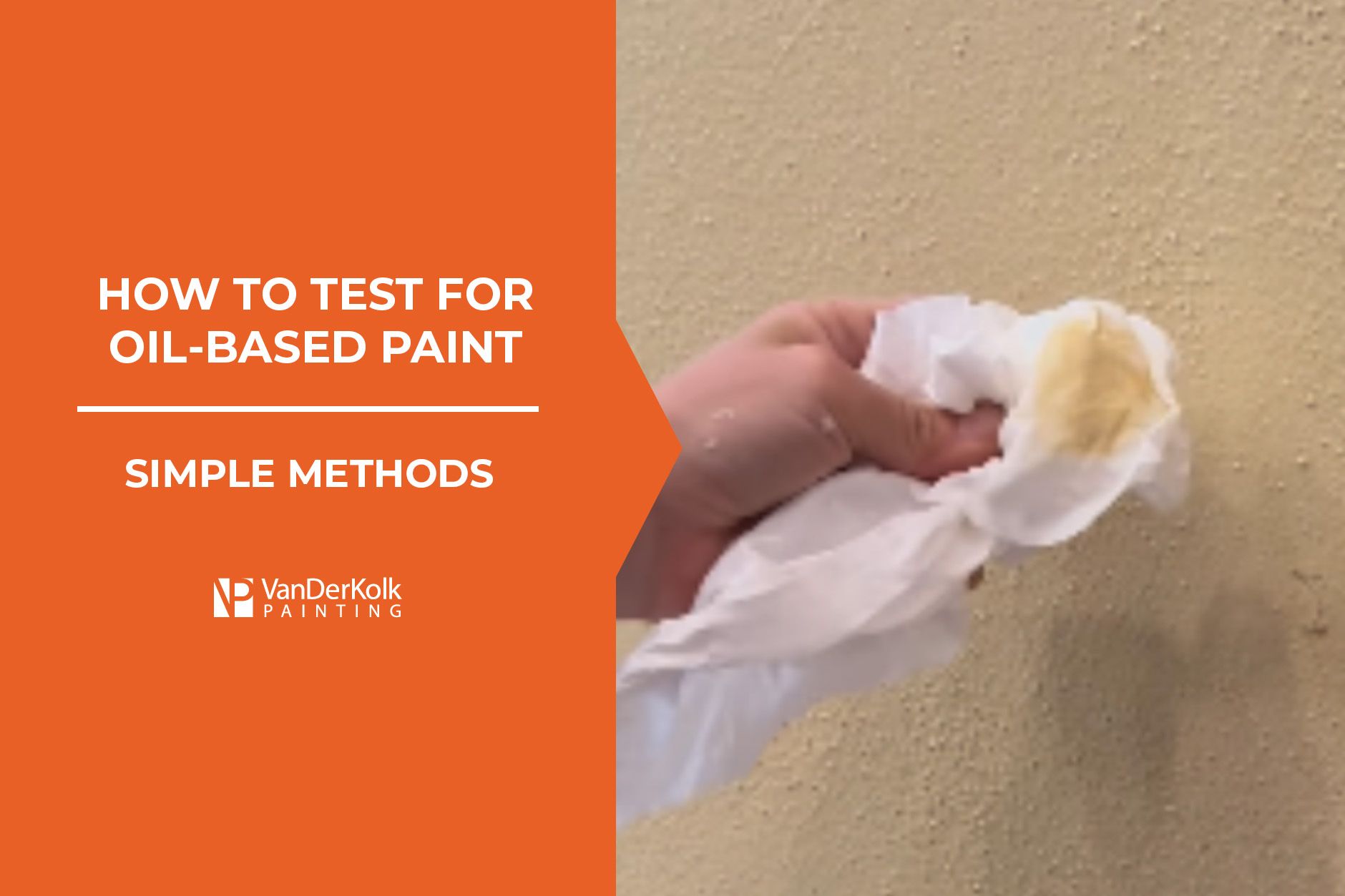
How to Test for Oil-Based Paint: 3 Simple Methods
Can You Paint Over Wallpaper? Expert Answers & Tips
One-Coat House Paint: Does It Actually Work?
How to Paint a Ceiling: Techniques, Tips, and Tricks
Elastomeric Paint: Pros, Cons, and When to Use It