
Jen
Can You Paint CMU Walls? CMU Paint Considerations

When designing your space, whether it’s finishing a basement in your home or transforming a retail warehouse, concrete walls can detract from your vision. As you stare at the CMU (concrete masonry unit) walls and complain about what an eyesore they are, you can’t help but wonder if it’s possible to paint them.
We have some good news; you can absolutely paint CMU walls. Painting CMU walls opens plenty of opportunities to vastly improve the appearance of your commercial, industrial, or residential space. But before you grab a bucket of paint and a brush, there are some CMU paint considerations to be aware of to ensure your hard work lasts for years.
If your property is located in West Michigan, you can always call the painting professionals at
VanDerKolk Painting for high-quality and precise paint jobs, even for CMU walls! We’ve served
West Michigan residents for over 30 years, helping them transform their
homes and
industrial and
commercial spaces.
Can You Paint Masonry Blocks?
CMU walls are often made of concrete cinder or masonry blocks. If you’re dealing with masonry blocks making up your CMU wall, it is still possible to paint them. But there are some extra steps you’ll have to take.
One of the most important steps is to seal the surface with a
masonry bonding primer. You’ll want to do this before even putting your brush or roller to the CMU wall. Adding a bonding primer ensures the paint adheres to the surface while filling in holes that could prevent the paint from looking smooth.
Is Painting Cinderblocks a Good Idea?
When working in an industrial space or finishing a basement, while it is possible to paint CMU walls, you may be wondering if it’s a good idea.
From a professional point of view, we recommend painting CMU walls! Not only can you elevate your space’s appearance, but a coat of paint can actually protect your CMU walls. Some of the benefits to painting CMU walls include:
Walls are easier to clean- Elevates appearance
- Becomes moisture resistant
- Reduces dust in the space
- Increases durability
If you’ve been considering painting your cinderblock wall, this is your sign to do it!
CMU Paint Considerations Before You Start
Painting CMU walls is not like painting regular drywall. The material is completely different, which means there are some extra steps to take and special products you must use to ensure a quality and durable paint job. Before you head out to your local paint store, here are some things you should know.
Sealing Concrete Blocks Before Painting is Crucial
CMU walls are extremely porous and permeable. This means that if you were to slap a coat of paint on the walls without any preparation or sealing, the paint will seep into the wall, causing an uneven layer.
So, before you can add your paint, you will have to seal the wall with masonry bonding primer. This sealant will fill in those pores and provide a more level surface where paint can be applied evenly.
Pro tip:
You’ll need about 2-3 coats of sealing primer for the best effect.
Use the Right Paint for CMU Walls
If you’ve ever gone to the paint section of your hardware store, you probably noticed how many different types of paint there are out there. Each one has its own purpose and qualities.
When painting CMU walls, using the right type of paint is essential. Luckily, you can choose from three
types of paint for CMU walls.
- Masonry Paint - this type of paint is formulated specifically for porous and permeable walls so that they can breathe and resist moisture. It’s ideal for exterior CMU walls.
- Elastomeric Paint - this type of paint is super durable, flexible, peel- and water-resistant. It’s ideal for high-moisture environments such as basements.
- Acrylic Latex Paint - this paint is perfect for interior CMU walls and provides a smooth, polished finish.
Consider where your CMU wall is located (inside or outside) when deciding which type of paint to use as the environment could affect the paint’s durability.
How to Easily Paint CMU Walls
With a simple four-step process, you can adequately paint your CMU walls for a lasting effect.
Step 1: Prepare the Surface
The first step, and probably the most important, is preparing the surface of your CMU wall. If the wall was previously painted, you must strip the paint away.
Once cleared away, it’s time to clean the wall. Use TSP (trisodium phosphate) or a mild detergent and scrub away dirt and grime with a wire brush. Let the wall dry completely.
The last step is to identify any cracks or holes and repair them. This is to create a smooth surface for an even layer of paint.
Step 2: Apply Primer
To seal the CMU wall and ensure moisture doesn’t build up in the wall’s pores, you must apply a masonry bonding and filling primer.
Adding a primer will also help your paint adhere better and last longer. It will also
prevent cracking and peeling in the paint, creating a more durable finish.
Step 3: Paint the Call
Once your primer has dried, it’s time to paint the CMU wall. We recommend using a paint roller with a ½ to ¾-inch nap for the best results. To ensure your color is vibrant and durable, we recommend applying at least two coats of paint.
Before adding the second coat, make sure the paint has fully dried. Depending on the type of CMU paint you’re using, you may have to wait overnight for the first coat to dry.
Step 4: Add a Topcoat Sealer (Only for Interior Walls)
If you’re painting an interior CMU wall, then you will want to add a topcoat sealer to provide a super durable finish. Plus, it adds a high-sheen finish to the wall to further elevate your space’s appearance and aesthetic.
Can You Paint Straight onto Masonry?
It is not recommended to put straight paint onto masonry blocks or CMU walls. Since the material is extremely porous, the paint will look uneven and will not adhere to the surface properly.
When you follow the CMU painting process properly, your hard work will endure weather, humidity, and time. Taking a few extra steps can go a long way!
When Should You Hire a Professional to Paint CMU Walls?
While it is possible to paint CMU walls yourself, it is often more difficult than you may think. Not only can choosing the right paint and bonding primer cause you to feel overwhelmed (choosing the wrong product could result in disaster!) but the act of painting the wall is tedious and time-consuming.
To ensure your CMU wall is painted precisely, using the right products and techniques, it’s always a good idea to hire a professional painter. Not only do you have peace of mind, but you get your weekend to sit back and relax.
VanDerKolk Painting is Here for All of Your Painting Needs
Whether you need to paint a concrete wall in your home, warehouse, or commercial building, VanDerKolk Painting is here to help with all of your painting needs!
Our team of experienced painting professionals offers white glove service, guaranteeing precision and the utmost professionalism. We’ve served residents in the Greater Grand Rapids area for more than three decades to enhance aesthetics and offer protective coatings to their buildings.
Contact us for a FREE estimate on your next painting project today!

About Tom VanDerKolk
Tom VanDerKolk is a professional painter with over three decades of experience and the owner of VanDerKolk Painting, a leading painting contractor serving West Michigan. Since founding the company in 1991, Tom has overseen projects ranging from residential homes to complex commercial and industrial facilities. His background includes formal training under a master painter and decades of hands-on application across a wide range of surfaces, coatings, and environments. Tom regularly shares practical insights to help homeowners and property managers make informed decisions about painting, maintenance, and long-term surface protection.
Request A Free Quote
Our Services
Residential Services
Commercial & Industrial Services
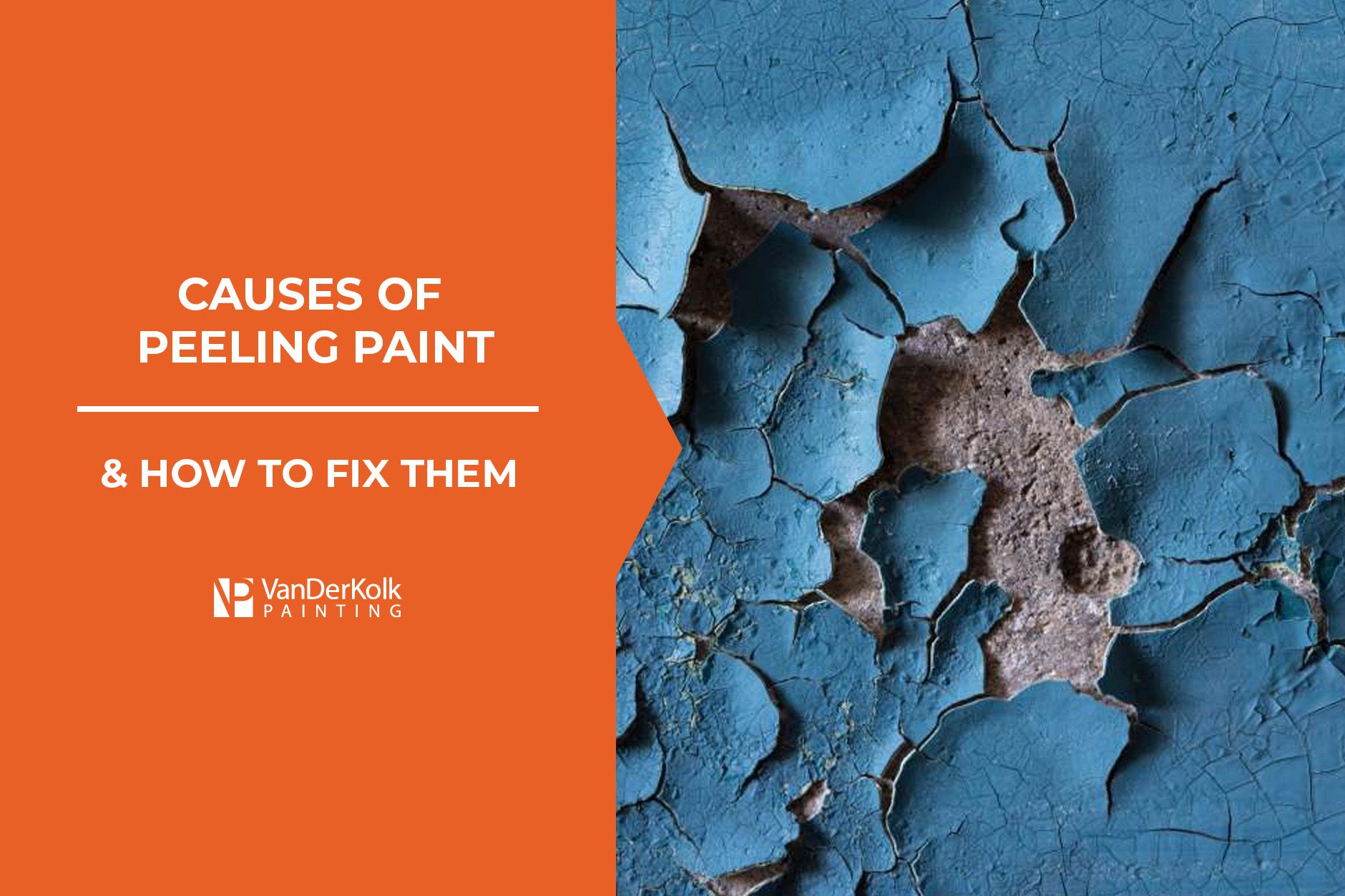
Peeling paint is almost never caused by the paint itself. Repainting without addressing the root cause will almost always lead to recurring peeling.
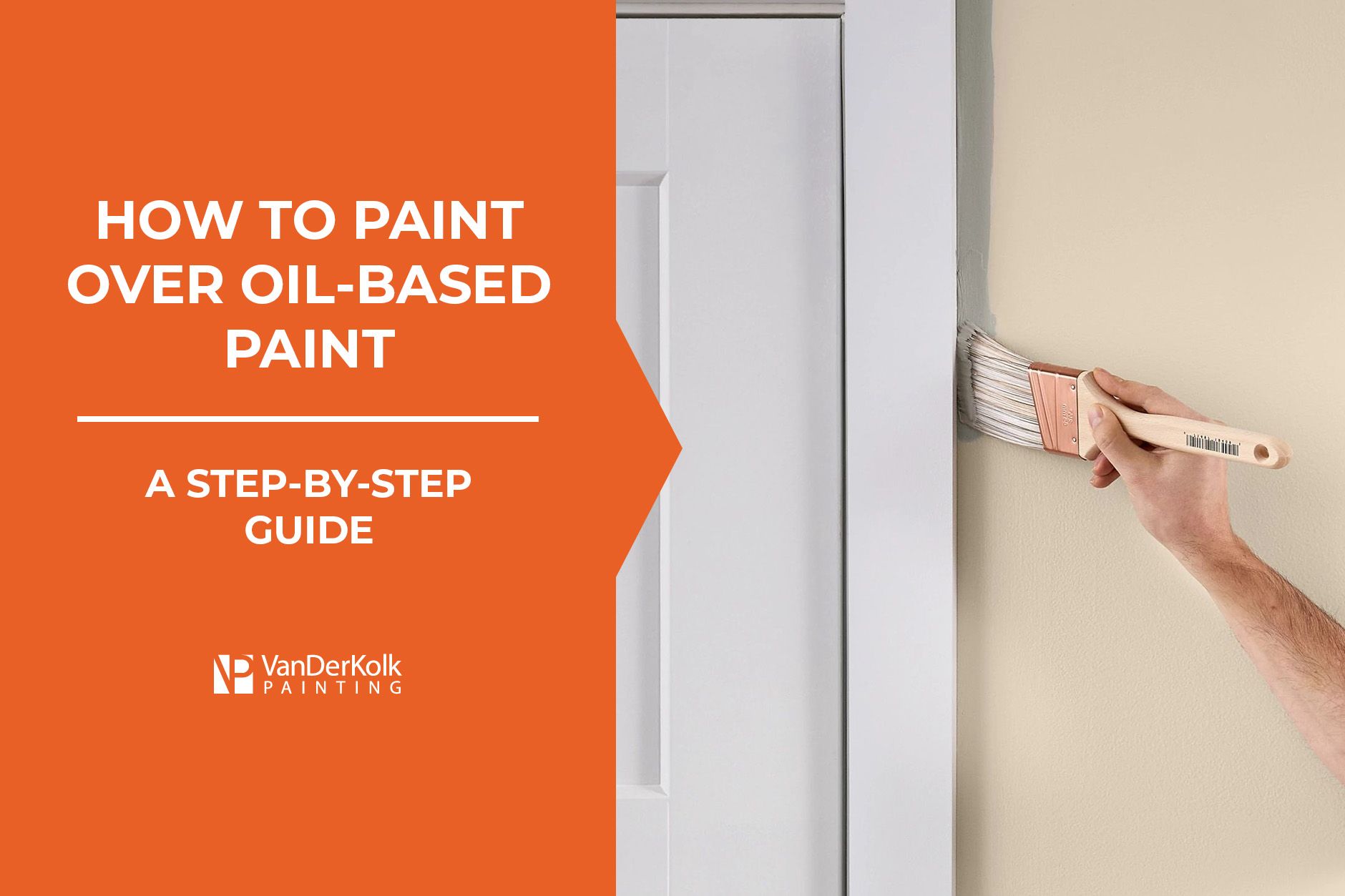
You can paint over oil-based paint, but how you do it depends on what you’re painting over it with. The process can be broken down into 4 simple steps.

This guide breaks down the costs involved in kitchen painting in Michigan, including what drives the price up or down. Learn what to expect...

The Average Cost of Interior House Painting In Michigan (2026)
Key Takeaways: Most Michigan homeowners pay between $300 and $900 to have a standard full bathroom painted professionally. Small half baths start around $200. Large primary bathrooms with detailed trim and high ceilings can reach $1,500 or more. Bathrooms require moisture-resistant paint in a satin or semi-gloss finish due to humidity and temperature swings in Michigan. Keep in mind that settling for an average price often means receiving average work. It often saves money in the long run to work with more experienced painters who use higher-quality paints. Always ask what prep work is included before you commit to anything.
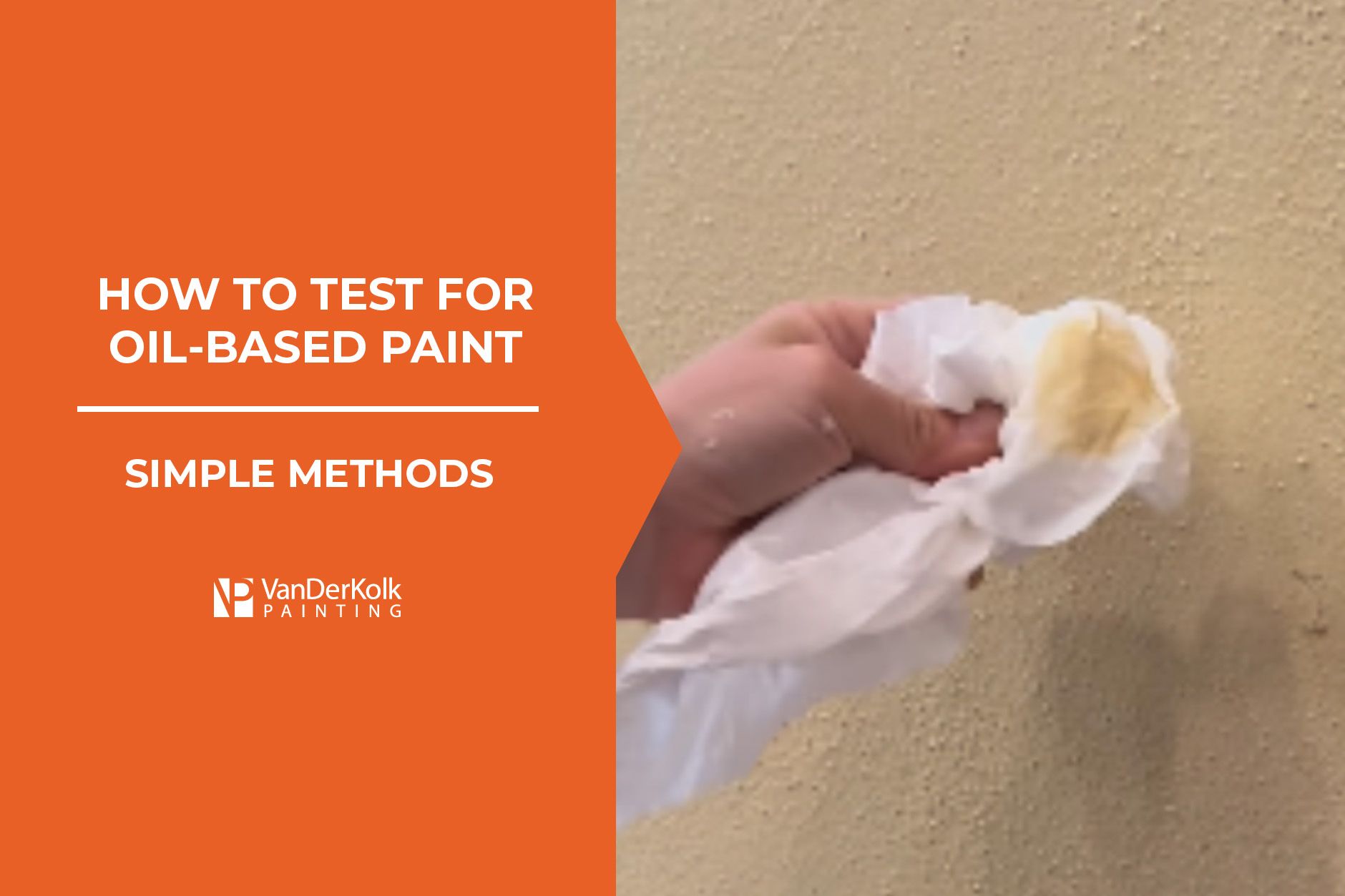
How to Test for Oil-Based Paint: 3 Simple Methods

Can You Paint Over Wallpaper? Expert Answers & Tips
One-Coat House Paint: Does It Actually Work?

How to Paint a Ceiling: Techniques, Tips, and Tricks
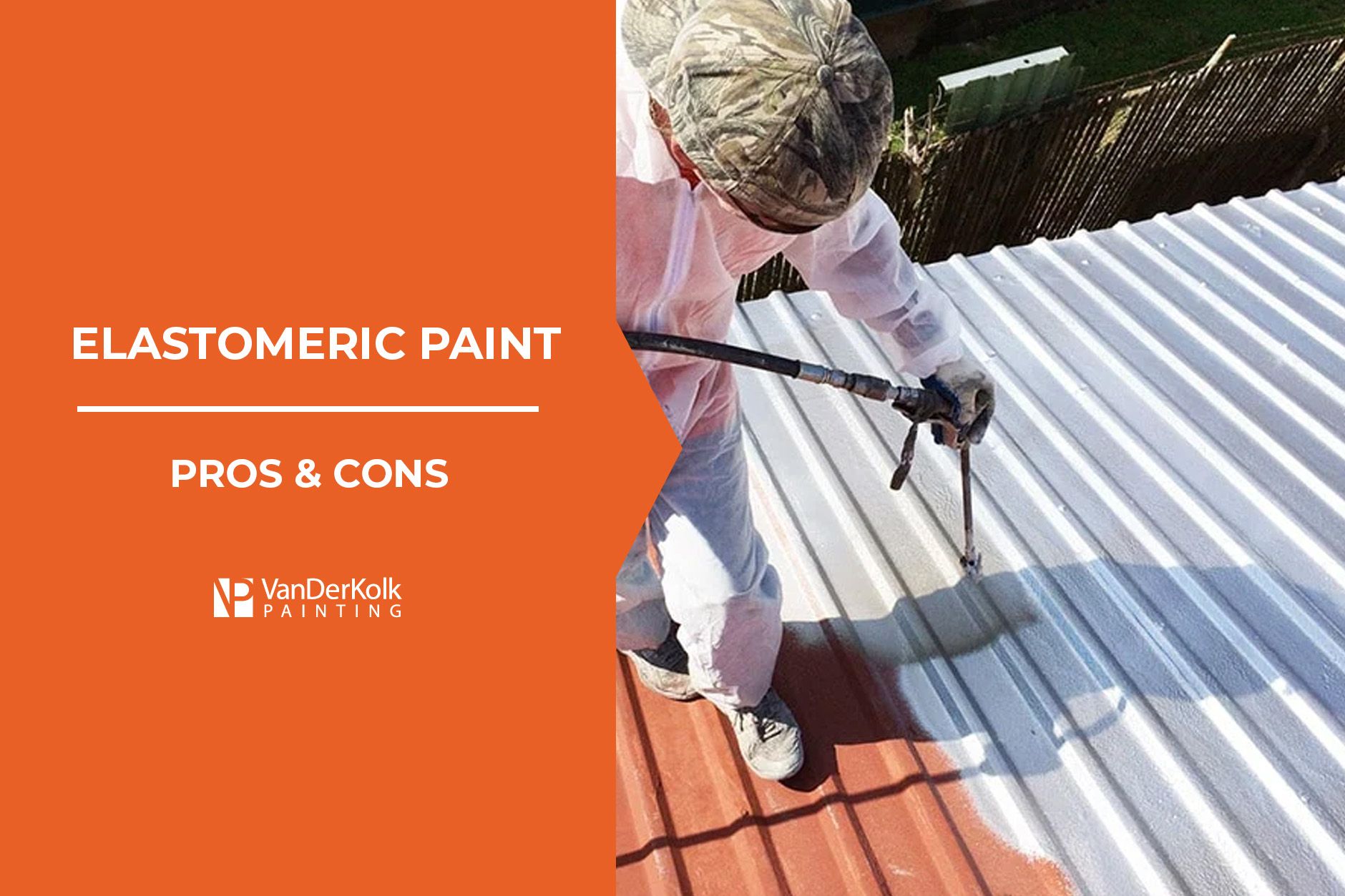
Elastomeric Paint: Pros, Cons, and When to Use It