
Jen
Can You Paint Over Mold? What To Do Before Painting

Key Takeaways:
- You should never paint over mold; paint does not kill mold and will only temporarily hide the problem while it continues to grow underneath.
- Mold will come back through paint if the underlying moisture issue isn’t fixed, often causing peeling, bubbling, and staining.
- Proper mold removal is essential before painting, including cleaning, drying, and addressing the moisture source.
- Using mold-resistant primer and paint helps prevent future growth, but only after the mold has been completely removed.
- If mold keeps returning or covers a large area, it’s best to call a professional to ensure the problem is handled safely and correctly.
When you notice a dark spot from mold or mildew slowly growing over time on your wall or ceiling, your first instinct may be to paint over it. But can you paint over mold? Does painting over mold eliminate mold? Not exactly.
Painting over mold is not recommended because paint does not kill mold spores. Instead, it can make the issue worse by trapping them beneath the surface, allowing mold to continue growing and eventually reappear. To properly fix the issue, mold must be removed and the moisture source eliminated before painting.
At VanDerKolk Painting, we’ve handled mold-affected surfaces across hundreds of homes in the Grand Rapids area, where humidity levels are generally high, ranging from 50% to 80%. One of the most common mistakes we see is homeowners painting over mold without fixing the moisture issue first, causing the mold to come right back.
In this guide, we’ll walk you through what to do if you see mold on your walls and how to safely and effectively paint the area.
Can You Paint Over Mold?
The short answer is no, you should not paint over mold. While it might seem like a quick cosmetic fix, paint does not kill mold or stop it from spreading. Essentially, it only covers the visible stains while mold continues to grow underneath.
Remember, mold is a living organism that
thrives in damp, humid environments similar to Michigan’s climate. If you apply paint over it without properly removing it, you’re basically sealing in the problem. Over time, the mold will push back through the new paint, bringing back the problem—sometimes even worse than before.
So while you cannot paint over mold directly, there are steps you can take to remedy the situation and ensure your paint job is durable and looks great.
Does Painting Over Mold Get Rid of Mold?
No, painting over mold does not get rid of mold. The paint will simply cover the visual presence of the mold, such as the spores and dark spots that it leaves as it grows.
The mold will never be eliminated when you throw a coat of paint over it. Instead, it will keep growing and eventually reappear through the paint. If you notice a mold spot, avoid painting over it without removing it and cleaning the area first.
What Happens if You Paint Over Mold?
Maybe you painted over mold in the past before you had a chance to read this article, and you’re wondering what happens now.
Painting over mold does not eliminate the mold. Instead, it simply covers the sight of it. Over time, if the source that caused mold to grow isn’t remedied, the mold will grow through the paint, and you’ll be able to see it again.
The paint will also start to bubble and peel due to the moisture in the room and the mold growing behind it. While it is tempting to cover that dark spot with a fresh coat of paint, there are extra steps to take to ensure proper removal and coverage so you never see it again.
Is It Safe to Paint Over Mold?
No, it is generally not safe to paint over mold. Remember, painting does not eliminate mold spores or stop their growth. Instead, it traps them beneath the surface where they continue to spread.
This can lead to ongoing mold exposure, triggering
serious health consequences like allergies, respiratory issues, and irritation. And when mold is hidden, it can worsen over time without you knowing it. It can eventually cause damage to the drywall, wood, and insulation, compromising the integrity of your home.
Is it Safe to Paint Over Black Mold?
It is not safe to paint over any type of mold, especially black mold.
Black mold, specifically, can be more irritating to those with mold allergies or who are immunocompromised. If you paint over black mold on drywall or wood surfaces, it will not remedy the problem. Household members will still experience the negative health effects of this dangerous fungus.
Mold vs. Mildew: What’s the Difference?
The average homeowner might not be able to recognize the difference between mold and mildew in their home. Although mold and mildew are both fungi, they behave differently, and in Michigan’s climate, that difference matters.
Due to high humidity, frequent rainfall, and cold winters that create condensation indoors, mildew is more commonly found on surface areas like bathroom walls and ceilings. However, mold is still a significant concern, especially in basements, attics, and poorly ventilated spaces.
Here’s how to tell the difference between mold and mildew:
| Feature | Mold | Mildew |
|---|---|---|
| Appearance | Dark green, black, fuzzy | White, gray, powdery |
| Growth Pattern | Deep, invasive | Surface-level |
| Common Areas | Basements, insulation, drywall | Bathrooms, windowsills |
| Damage Level | Structural risk | Mostly cosmetic |
| Removal Difficulty | Moderate to difficult | Easier to clean |
| Can You Paint Over It? | No | No |
Homeowners are more likely to see mildew on day-to-day household surfaces, while mold is more serious and often tied to moisture issues like leaks or poor insulation.
Before painting, identify whether you’re dealing with mold or mildew. This will help you determine the correct remediation strategy to get rid of it before applying your paint.
How to Properly Paint Over Mold
When you have mold or mildew in your home or office building, you must take a few extra steps to properly and safely paint over it. You must completely remove the mold and address the moisture source that caused it first.
Painting over untreated mold will only lead to recurring growth, paint failure, and potential health risks. Below is a step-by-step method to treat the mold and ensure you apply the paint properly.
Step 1: Remove the Mold Safely
Before you even pick out your paint color, focus on eliminating the mold and identifying what caused it. Mold loves damp, humid environments, so simply cleaning the surface without addressing the root issue will not solve the problem.
For small areas, you can typically remove mold using household solutions like bleach or white vinegar. Apply the solution to the affected area and scrub thoroughly to kill and lift the mold from the surface.
Pro Tip: Never
mix bleach and vinegar. It creates a toxic chlorine gas that is extremely harmful. Use one or the other—never both.
Always remember to wear protection such as an N95 mask, safety glasses, gloves, and a full-face respirator if necessary. This will protect you from breathing in or coming in contact with mold spores during the removal process.
If the mold covers a large area (generally more than 10 square feet) or keeps returning, it’s best to hire a professional mold remediation specialist.
Finally, fix the underlying issue that’s causing the mold. It could be a leaky pipe, poor ventilation, or excess humidity. Without this step, mold will return no matter how well you clean or paint.
Step 2: Clean and Dry the Surface
After removing the mold, the surface must be fully cleaned and completely dried before moving on to the next step.
Any leftover moisture trapped in the drywall, wood, or insulation can cause the mold to regrow underneath the paint. Make sure to wipe down the area after removing the mold. Allow proper airflow and consider using fans or a dehumidifier to speed up drying time.
If the surface is damp, the paint won’t adhere to it properly. And even mold-resistant products cannot compensate for trapped moisture.
Step 3: Repair and Prepare the Surface
Once the area is dry, inspect it for any mold damage. In many cases, mold can weaken the drywall, stain surfaces, or deteriorate wood. If this is the case, you’ll want to:
- Replace heavily damaged drywall
- Sand and smooth rough or stained areas
- Seal any exposed or porous surfaces
When you properly prepare your surface, your primer and paint will adhere to it more evenly and last longer. Skipping this important step often results in uneven finishes, staining bleed-through, and a shortened paint lifespan.
Step 4: Use Moisture-Resistant Primer
While no paint products kill mold, mold-preventative products can be used on mold-prone surfaces.
Before adding your
first coat of paint, painting a coat of primer will help the paint adhere to the surface better and cover any bold colors underneath.
Primers serve two key purposes in this situation:
- Improve paint adhesion
- Block stains and reduce the risk of future mold growth
This is especially important in moisture-prone areas like bathrooms, basements, and kitchens. Mold is more likely to return if humidity and moisture are not controlled.
Step 5: Choose the Right Paint
If painting over a surface that has experienced mold growth and has since been removed, it’s important to be cautious about the type of paint you use.
Most latex and water-based paints are mold-resistant, making them ideal for this particular project.
Avoid using oil-based paints, as they contain an ingredient that can feed mold growth if the paint is used in a humid environment or if spores are not fully removed.
Best Primer and Paint for Mold-Prone Areas
Choosing the right products is essential to prevent mold from returning after removal. While no paint can kill active mold, the right primer and paint system can help prevent future growth.
The best primers and paints for mold-prone areas include:
- Mold-Resistant Primer: Use a high-quality, stain-blocking primer, like Kilz, designed for humid environments. These primers help seal the surface, improve adhesion, and reduce the risk of mold spores returning.
- Anti-Microbial Paint: Look for paints labeled as mold- or mildew-resistant. These contain additives that help stop fungal growth on the surface. Sherwin-Williams’s Paint Shield® Microbial Paint is a great choice.
- Latex or Water-Based Paints: These are ideal for bathrooms, kitchens, and basements because they allow surfaces to breathe and resist moisture buildup.
It’s best to avoid
oil-based paints in humid conditions. This is because oil products can actually trap moisture and increase the risk of mold returning. Additionally, oil-based paints are best used for exterior projects due to containing potentially harmful VOCs.
If you want to learn more about what types of paint to use in the most humid areas of your home, check out our guides “Best Type of Paint for Kitchens” and “Best Type of Paint for Bathrooms.”
Can Mold Grow Back After Painting?
Yes, mold can grow back after painting, especially if the underlying issue was not resolved. Paint—even mold-resistant paint—does not eliminate the conditions that mold thrives in. If humidity, leaks, or poor ventilation are still present, mold spores can reactivate and grow beneath or even through the paint layer.
This is why it is crucial to remove all mold before painting and find the source causing the growth. When you take the time to fix the moisture problem and fully remove the mold, it is much less likely to grow back.
When to Call a Professional Painter or Mold Specialist
Sometimes, mold is more than a simple DIY fix, especially in humid climates like Grand Rapids, where mold can grow fast.
If you notice any of these signs, then it’s time to bring in a professional mold remediator:
- The mold covers a large area (more than 10 square feet)
- Mold keeps coming back after cleaning or painting
- You notice a strong, persistent musty odor
- Mold has spread to drywall, insulation, or HVAC systems
- There are signs of water damage (stains, leaks, warped materials)
- The mold is located in hard-to-reach areas
- Anyone in the home is experiencing worsening allergies or respiratory issues
- You’re unsure of the moisture source causing the mold
A professional identifies the moisture source, offers solutions to fix it, and removes the mold growth. This is the most important step before painting to ensure not only a great paint job, but a healthy mold-free household.
Once the mold is removed and the source has been identified, a professional painter can step in. They will use the correct products to ensure the paint provides long-term protection for your home. Not only will they handle the area with care and with professional products, but they will also ensure a clean, precise paint job that instantly elevates your home.
VanDerKolk Painting: A Solution for All Your Painting Problems and Needs
Whether you need interior painting to remove mold and apply a new paint coat to just one small room or a large office space, no job is too big (or small) for our Grand Rapids painting company!
Serving the Grand Rapids area, our team of painting professionals can handle a wide variety of residential and commercial painting tasks, including removing and painting over surfaces that have mold. We will take the necessary precautions to prepare the surface properly and use select paints that won’t exacerbate the mold growth.
Once we’re finished, you can feel relieved to look at your wall, knowing the mold is gone, and you never have to see that sore-sighted dark spot ever again! We offer free estimates, so you have nothing to lose in contacting us about your painting project. You can request a free estimate by filling out a
contact form or by calling
616-202-6570.
Frequently Asked Questions About Painting Over Mold
Can you paint over mold without removing it?
No, painting over mold without removing it will not solve the problem. The mold will continue to grow beneath the paint and eventually reappear, often causing peeling, bubbling, and staining.
Does paint or primer kill mold?
No, paint and primer do not kill mold. While some products are labeled as mold- or mildew-resistant, they are designed to prevent future growth, not eliminate existing mold.
Will mold come back after painting?
Yes, mold can return if the underlying moisture issue is not fixed. Even high-quality paint won’t stop mold from growing if humidity, leaks, or poor ventilation are still present.
Can you paint over mildew?
You should not paint over mildew without cleaning it first. The good news is that mildew is typically easier to remove than mold and can often be cleaned with household solutions before painting.
How long should you wait to paint after removing mold?
You should wait until the surface is completely clean and fully dry. This may take anywhere from 24 to 48 hours, depending on humidity and airflow. Painting too soon can trap moisture and lead to mold returning.
What kind of paint is best for mold-prone areas?
The best option is a mold- or mildew-resistant latex paint used with a high-quality primer. These products help protect surfaces in moisture-prone areas like bathrooms, basements, and kitchens.

About Tom VanDerKolk
Tom VanDerKolk is a professional painter with over three decades of experience and the owner of VanDerKolk Painting, a leading painting contractor serving West Michigan. Since founding the company in 1991, Tom has overseen projects ranging from residential homes to complex commercial and industrial facilities. His background includes formal training under a master painter and decades of hands-on application across a wide range of surfaces, coatings, and environments. Tom regularly shares practical insights to help homeowners and property managers make informed decisions about painting, maintenance, and long-term surface protection.
Request A Free Quote
Our Services
Residential Services
Commercial & Industrial Services
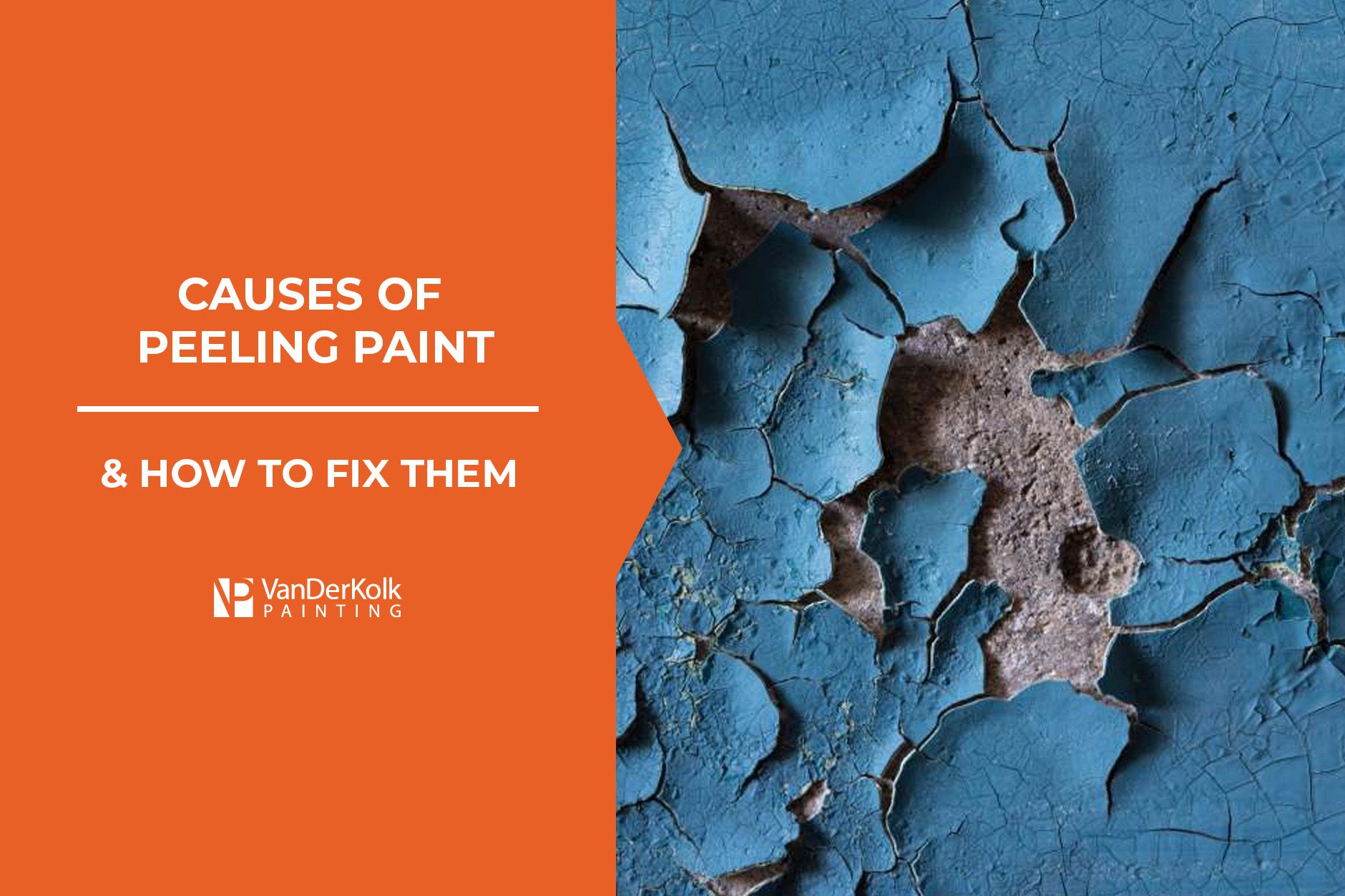
Peeling paint is almost never caused by the paint itself. Repainting without addressing the root cause will almost always lead to recurring peeling.
You can paint over oil-based paint, but how you do it depends on what you’re painting over it with. The process can be broken down into 4 simple steps.
This guide breaks down the costs involved in kitchen painting in Michigan, including what drives the price up or down. Learn what to expect...
The Average Cost of Interior House Painting In Michigan (2026)
Key Takeaways: Most Michigan homeowners pay between $300 and $900 to have a standard full bathroom painted professionally. Small half baths start around $200. Large primary bathrooms with detailed trim and high ceilings can reach $1,500 or more. Bathrooms require moisture-resistant paint in a satin or semi-gloss finish due to humidity and temperature swings in Michigan. Keep in mind that settling for an average price often means receiving average work. It often saves money in the long run to work with more experienced painters who use higher-quality paints. Always ask what prep work is included before you commit to anything.
How to Test for Oil-Based Paint: 3 Simple Methods
Can You Paint Over Wallpaper? Expert Answers & Tips
One-Coat House Paint: Does It Actually Work?
How to Paint a Ceiling: Techniques, Tips, and Tricks
Elastomeric Paint: Pros, Cons, and When to Use It